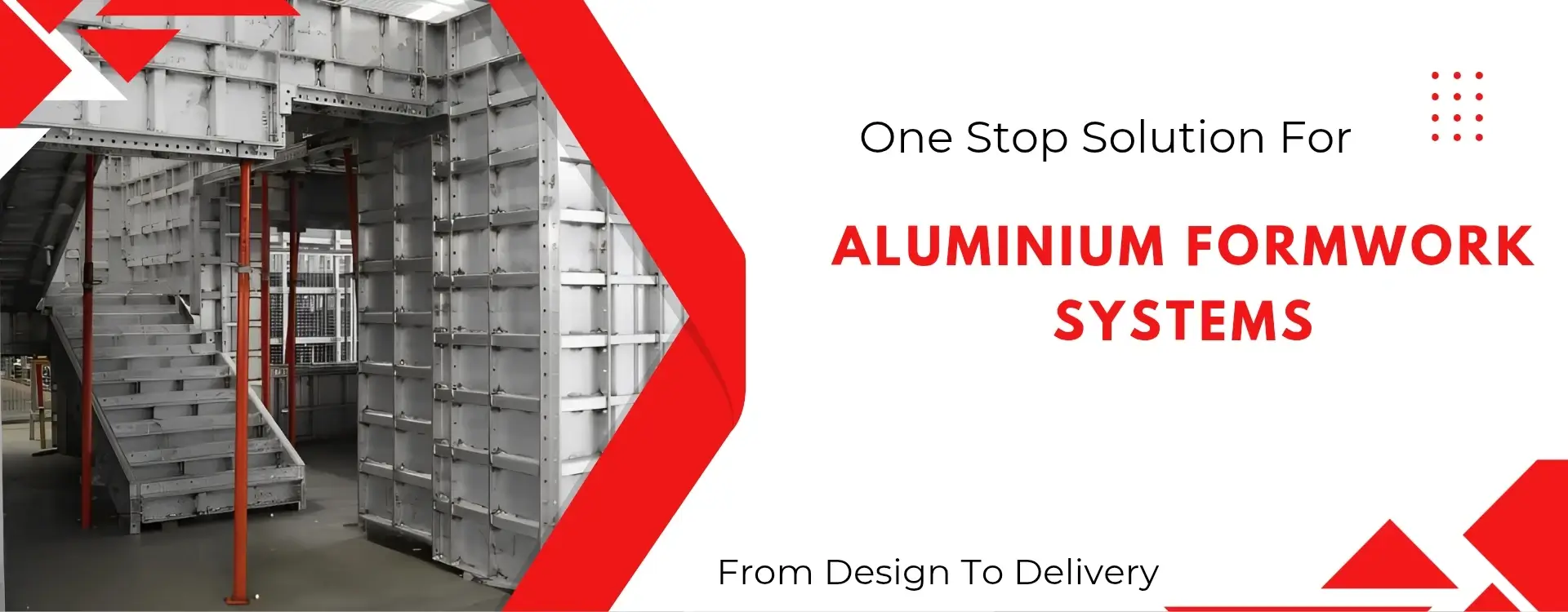
Scaffolding plays a critical role in modern construction, providing workers with safe, stable platforms for working at height. As buildings grow taller and projects become more complex, understanding scaffolding load capacity and stability has become essential for engineers, contractors, and safety professionals. A well-designed scaffolding system helps prevent structural failures, ensures worker protection, and keeps construction operations running smoothly.
This blog explores how load capacity works, why stability matters, and the engineering principles behind safe scaffolding design.
What Is Load Capacity in Scaffolding?
Load capacity refers to the maximum weight a scaffolding structure can safely support without failing. This includes:
Worker weight
Tools and equipment
Building materials
Environmental loads such as wind or vibrations
Understanding load capacity helps prevent overloading, one of the leading causes of scaffolding collapse.
Types of Scaffolding Loads
To design safe systems, engineers consider three main types of loads:
1. Dead Load
The weight of the scaffolding itself, including frames, ledgers, braces, planks, and accessories.
2. Live Load
The weight of workers, tools, and materials placed on the platform during construction activities.
3. Environmental Load
External forces such as wind pressure, rain, seismic movements, and vibrations from machinery.
A safe design ensures the combined load never exceeds the rated capacity.
Why Stability Matters in Scaffolding Design
Stability is the backbone of scaffolding safety. Even if the load capacity is sufficient, unstable systems can tilt, sway, or collapse.
Key factors affecting stability:
Base conditions and soil strength
Height-to-base ratio
Proper bracing and tying
Even distribution of loads
Wind exposure
Correct assembly practices
Engineers must consider these elements to ensure scaffolding remains steady under all working conditions.
Design Principles for Safe Scaffolding Systems
1. Proper Foundation and Base Support
A strong, level foundation is essential for stability. Base jacks, sole plates, and adjustable supports help achieve correct leveling, especially on uneven ground.
2. Correct Bracing and Tying
Horizontal and diagonal bracings prevent lateral movement. Ties anchor the scaffolding to the structure, reducing the risk of tipping.
3. Even Load Distribution
Loads must be evenly spread across the platform. Concentrated loads on one side can compromise stability.
4. Use of High-Quality Components
Certified steel tubes, couplers, base jacks, and planks help maintain structural integrity under demanding site conditions.
5. Height-to-Base Ratio Control
Maintaining the recommended ratio prevents excessive sway and improves overall sturdiness.
Common Mistakes That Affect Scaffolding Safety
Avoiding common errors helps prevent accidents and costly delays.
Overloading platforms beyond rated capacity
Using damaged or uncertified components
Improper spacing of standards and ledgers
Insufficient bracing or tying
Neglecting regular inspections
Uneven or unstable ground conditions
Following safety guidelines ensures long-term reliability.
The Role of Engineering and Testing
Professional scaffolding systems undergo:
Load testing
Structural analysis
Material quality checks
Compliance with international standards
These processes ensure scaffolding performs safely under different site conditions.
Benefits of Understanding Load Capacity and Stability
For contractors:
Safer work environments
Reduced downtime and accidents
Better planning and material usage
For engineers:
Accurate design calculations
Compliance with safety regulations
Improved structural performance
For workers:
Safer platforms and movement
Increased confidence at height
Best Practices for Safe Scaffolding Use
Conduct daily inspections
Follow manufacturer guidelines
Train workers on load limits
Use guardrails, safety nets, and toe boards
Avoid sudden impact loads
Ensure proper maintenance of all parts
Safety begins with awareness and consistent implementation.
Conclusion
Scaffolding load capacity and stability are essential elements of safe construction practices. By understanding how loads work, how stability is achieved, and how engineering principles guide system design, contractors can create safer, more efficient worksites. Investing in high-quality scaffolding and following proper guidelines not only enhances project performance but also protects workers and supports long-term structural reliability.
A strong foundation, proper bracing, balanced loads, and regular inspections ensure that scaffolding systems can withstand the demands of modern construction. Safe scaffolding is not an option but a necessity for building the structures of tomorrow.