Why Construction Projects Fail Without Proper Temporary Structures is a critical topic that every contractor, developer, project manager, and site engineer must understand. Temporary structures such as scaffolding, formwork, shoring, props, and access systems are often treated as secondary elements in construction planning. However, in reality, they are fundamental to project success. When temporary structures are poorly planned, inadequately designed, or incorrectly executed, construction projects face delays, safety incidents, cost overruns, and even structural failures.
Temporary structures support workers, materials, and equipment during construction. They influence safety, productivity, quality, and project timelines. Ignoring their importance or cutting corners can cause severe consequences that affect the entire project lifecycle. This blog explains why construction projects fail without proper temporary structures and highlights the risks, impacts, and best practices associated with them.
What Are Temporary Structures in Construction?
Temporary structures are non-permanent systems used to support construction activities until the permanent structure becomes self-supporting. They are essential at almost every stage of a project.
Common temporary structures include:
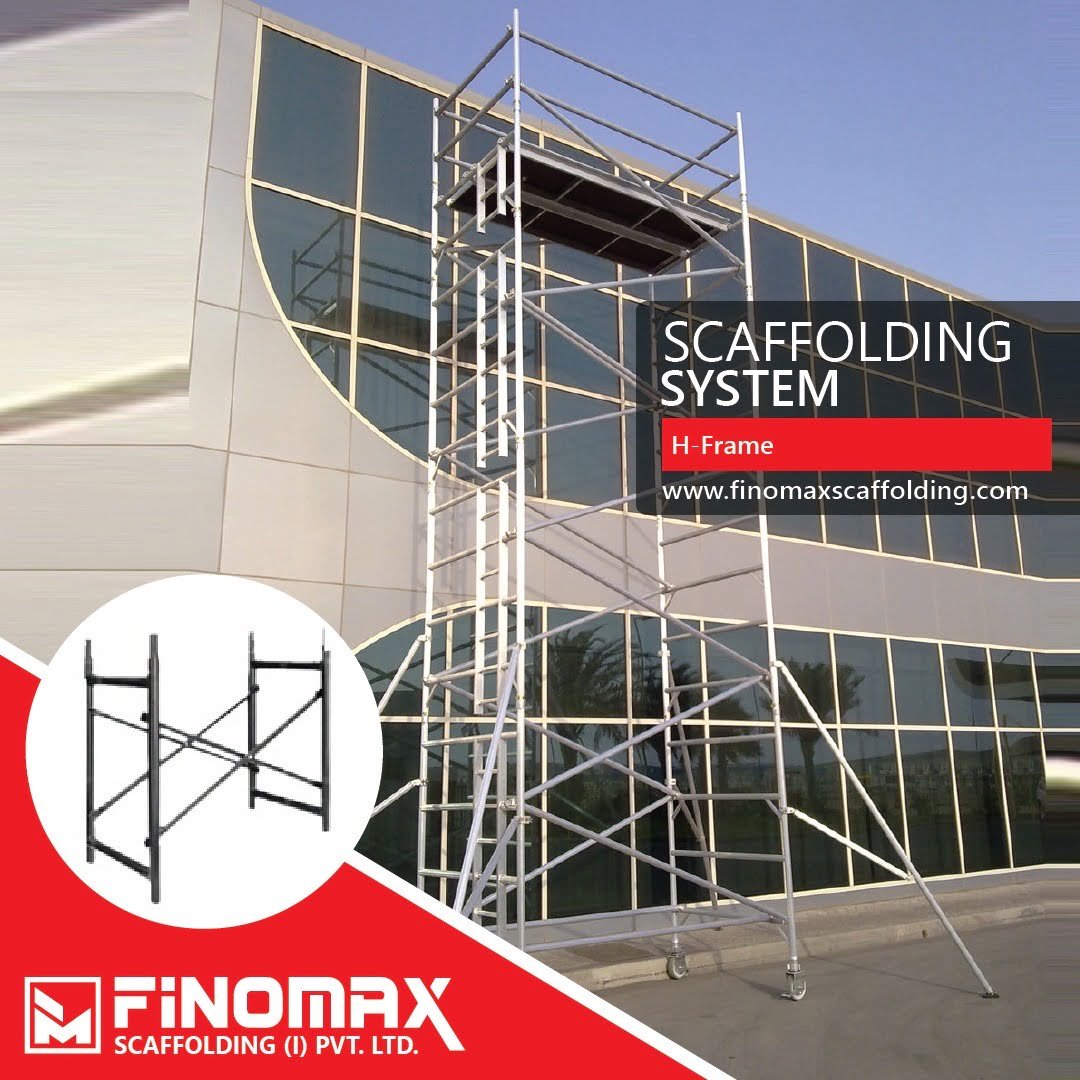
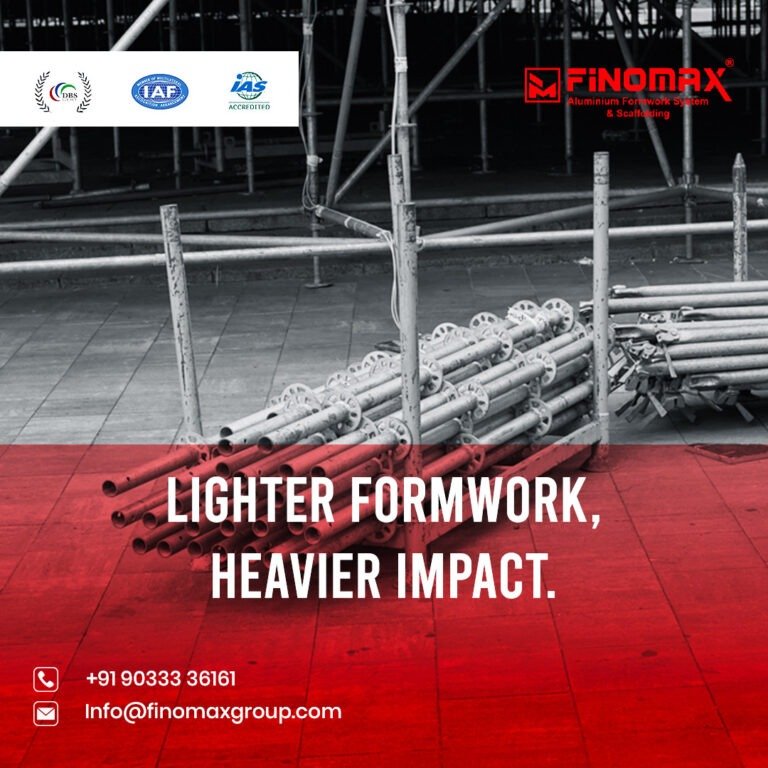
Scaffolding systems
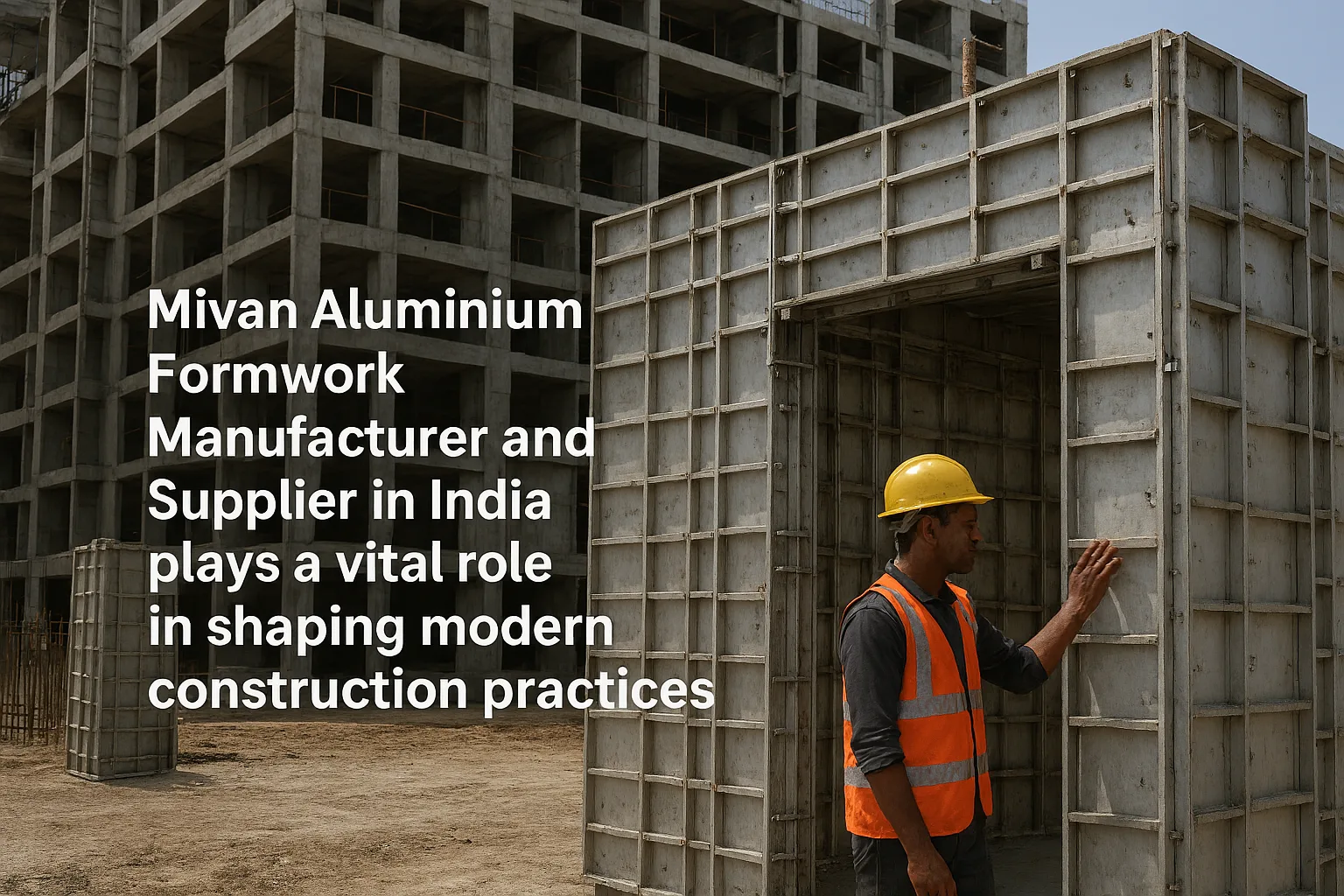
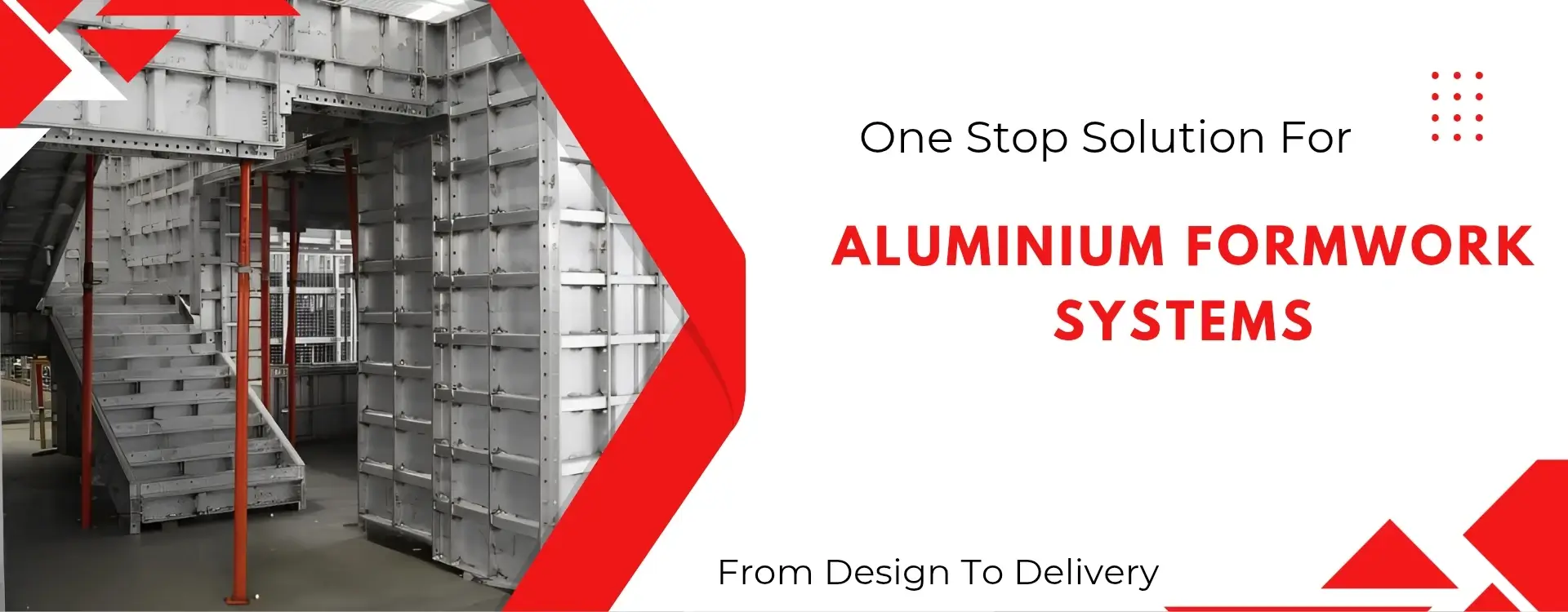
Formwork and shuttering
Shoring and propping systems
Temporary access platforms and walkways
Falsework and staging
Temporary supports for slabs, beams, and columns
Although temporary, these structures carry heavy loads and play a direct role in construction safety and efficiency.
Why Temporary Structures Are Critical to Project Success
Temporary structures act as the backbone of construction operations. They provide access, stability, and support during critical construction phases.
Their importance includes:
Safe working platforms for labour
Support for fresh concrete loads
Alignment and shape control of structural elements
Access for tools, equipment, and materials
Protection against collapse during construction
Without proper temporary structures, the permanent structure cannot be built safely or accurately.
1. Safety Failures Are the Biggest Risk
One of the primary reasons construction projects fail without proper temporary structures is compromised safety. Poorly designed or installed temporary systems significantly increase the risk of accidents.
Safety issues include:
Collapse of scaffolding or formwork
Falls from height due to unstable platforms
Structural failure during concreting
Injuries caused by improper access systems
Fatal accidents resulting in work stoppages
Safety incidents not only harm workers but also lead to legal action, penalties, and loss of reputation.
2. Structural Failures During Construction
Temporary structures bear heavy loads during construction, especially before the permanent structure gains strength. Inadequate design or poor execution can cause partial or complete structural failure.
Common causes include:
Underestimating load requirements
Incorrect spacing of props or supports
Poor quality materials
Improper assembly and locking
Lack of engineering approval
Such failures can damage completed work, delay progress, and increase reconstruction costs.
3. Project Delays and Missed Deadlines
Construction schedules depend heavily on temporary structures. When scaffolding, formwork, or shoring systems are not planned properly, work slows down or stops entirely.
Delays occur due to:
Frequent reconfiguration of temporary systems
Unsafe conditions requiring shutdowns
Waiting for redesign or reinstallation
Inspection failures and compliance issues
Even small delays at early stages can affect the entire project timeline.
4. Cost Overruns and Budget Failures
Temporary structures may seem like a short-term expense, but poor planning leads to long-term financial losses.
Cost overruns happen because of:
Rework caused by incorrect alignment
Material wastage due to formwork failure
Extended labour costs from delays
Medical expenses and compensation after accidents
Legal penalties and insurance claims
Investing in proper temporary structures is far more cost-effective than fixing failures later.
5. Poor Construction Quality and Rework
Temporary structures directly influence the quality of permanent construction. Improper formwork or unstable supports lead to dimensional inaccuracies and poor finishes.
Quality issues include:
Uneven surfaces and honeycombing
Misaligned walls and slabs
Structural cracks due to premature load removal
Increased plastering and repair work
Rework consumes time, labour, and materials, reducing overall project efficiency.
6. Lack of Compliance with Regulations and Standards
Construction regulations require temporary structures to meet strict safety and engineering standards. Non-compliance can result in immediate project suspension.
Regulatory risks include:
Failed safety audits
Stop-work notices from authorities
Fines and legal actions
Loss of contractor eligibility for future projects
Proper temporary structure planning ensures compliance and uninterrupted progress.
7. Poor Coordination Between Trades
Large construction projects involve multiple trades working simultaneously. Temporary structures must support coordinated access and sequencing.
Without proper planning:
Scaffolding blocks material movement
Access routes clash with formwork systems
Congestion slows down work
Conflicts arise between teams
Well-planned temporary structures enable smooth coordination and workflow.
8. Increased Risk During Weather and Environmental Conditions
Temporary structures must withstand wind, rain, temperature changes, and site conditions. Weak systems are vulnerable to environmental forces.
Risks include:
Wind-induced collapse of scaffolding
Water accumulation on platforms
Slippage due to wet surfaces
Corrosion or weakening of components
Environmental failure can cause sudden accidents and major delays.
9. Lack of Skilled Installation and Supervision
Even high-quality temporary structures can fail if installed incorrectly. Lack of skilled labour and supervision is a major cause of failure.
Common issues include:
Incorrect assembly sequence
Loose connections and couplers
Improper anchoring and bracing
Absence of regular inspections
Skilled teams and supervision are essential for safe performance.
10. Poor Planning and Engineering Design
Temporary structures should be treated as engineered systems, not improvised solutions. Lack of design input leads to unsafe and inefficient systems.
Planning failures include:
No load calculations
Ignoring construction sequence
No drawings or method statements
Inadequate inspection plans
Engineering-based planning ensures stability and reliability.
Best Practices to Prevent Project Failure
To avoid failure due to improper temporary structures, construction teams must follow best practices.
Proper Design and Engineering
Use qualified engineers for design
Perform load and stability calculations
Prepare detailed drawings and method statements
Quality Materials and Certified Systems
Use tested and certified components
Avoid damaged or worn materials
Ensure compatibility of system parts
Skilled Workforce and Supervision
Employ trained scaffolding and formwork teams
Conduct regular toolbox talks
Ensure competent supervision at all stages
Regular Inspection and Maintenance
Inspect after installation and modifications
Monitor during use
Address defects immediately
Integration with Project Planning
Align temporary structures with construction phases
Coordinate with all trades
Plan dismantling and relocation safely
Why Temporary Structures Deserve Strategic Attention
Temporary structures may not remain after project completion, but their impact is permanent. They determine how safely, quickly, and accurately a building is constructed.
Projects that prioritise temporary structures benefit from:
Higher safety performance
Faster execution
Better quality outcomes
Lower long-term costs
Stronger professional reputation
Ignoring them puts the entire project at risk.
Conclusion
Why Construction Projects Fail Without Proper Temporary Structures is a reality proven by countless site incidents, delays, and losses. Temporary structures are not optional supports but essential systems that protect workers, ensure structural integrity, and enable efficient construction. Poor planning, low-quality materials, lack of skilled installation, and inadequate supervision turn temporary structures into major liabilities.
Construction projects succeed when temporary structures are engineered, planned, inspected, and managed with the same seriousness as permanent works. Investing in proper temporary structures is not an expense. It is a necessity for safety, quality, and long-term project success.