Modern scaffolding systems in construction have reshaped the way projects are planned, executed, and delivered. From ancient wooden frameworks to today’s precision-engineered steel and aluminium structures, the evolution of scaffolding has played a crucial role in enabling builders to work safely at heights, improve productivity, and construct more complex architectural forms. As the global construction industry continues to innovate, modern scaffolding systems provide greater strength, flexibility, and sustainability than ever before.
Introduction to Modern Scaffolding Systems
The construction world is constantly evolving, and so are the tools and systems that support it. Scaffolding has always been an essential part of building, but modern engineering has transformed it into a sophisticated access solution that offers safety, speed, and structural reliability. The evolution of modern scaffolding systems in construction highlights how advancements in materials, technology, and design have created more efficient and durable systems suitable for every project. Today’s scaffolding not only enhances worker safety but also helps reduce project timelines, improve accuracy, and optimize on-site workflow.
A Look Back: Traditional Scaffolding Methods
Before modern scaffolding systems were developed, ancient builders used basic structures made of wood, rope, and bamboo. These systems provided temporary access but lacked stability and standardization. As construction grew more complex, especially during the industrial revolution, the need for safer, stronger, and more dependable scaffolding resulted in the adoption of metal pipes and couplers. This shift marked the first major evolution in scaffolding, paving the way for today’s advanced modular systems.
Traditional scaffolding had limitations such as slower assembly, higher labour requirements, and inconsistent structural support. Modern scaffolding was introduced to solve these issues while enabling builders to meet the demands of high-rise construction, industrial projects, and large infrastructure developments.
The Rise of Modern Scaffolding Systems in Construction
The evolution of modern scaffolding systems in construction centres around the development of modular designs and engineered components. Today, contractors rely on high-strength materials, precision joints, adaptable frameworks, and standardized assemblies that allow for safe and rapid installation. Systems such as Cuplock, Ringlock, H Frame, and Aluminium Scaffolding have replaced outdated methods due to their superior performance and versatility.
Key drivers of modern scaffolding advancement include:
• The need for higher load capacity
• Faster project timelines
• Reduced labour dependency
• Enhanced worker safety
• Better adaptability to architectural complexity
• Commitment to sustainability and reusability
Popular Modern Scaffolding Systems Used Today
Cuplock Scaffolding System
A globally preferred modern scaffolding system in construction, Cuplock is known for its speed of assembly and high load-bearing strength. Its unique cup and blade mechanism ensures secure locking and reliable support, making it ideal for high-rise buildings, commercial structures, and infrastructure projects.
Ringlock Scaffolding System
Ringlock has become one of the most advanced modular scaffolding systems. Its rosette-based design allows components to connect at various angles with outstanding stability. This makes it suitable for complex structures, industrial sites, and curved or irregular building geometries.
H Frame Scaffolding
Simple, stable, and economical. H Frame scaffolding is commonly used for plastering, painting, cladding, and maintenance applications. Its ease of assembly makes it a popular choice for contractors who need fast and dependable access solutions.
Aluminium Scaffolding Towers
Lightweight and corrosion resistant, aluminium scaffolding towers provide easy mobility and convenience for indoor and maintenance tasks. They are widely used in malls, airports, warehouses, and facility management.
Aluminium Formwork Systems
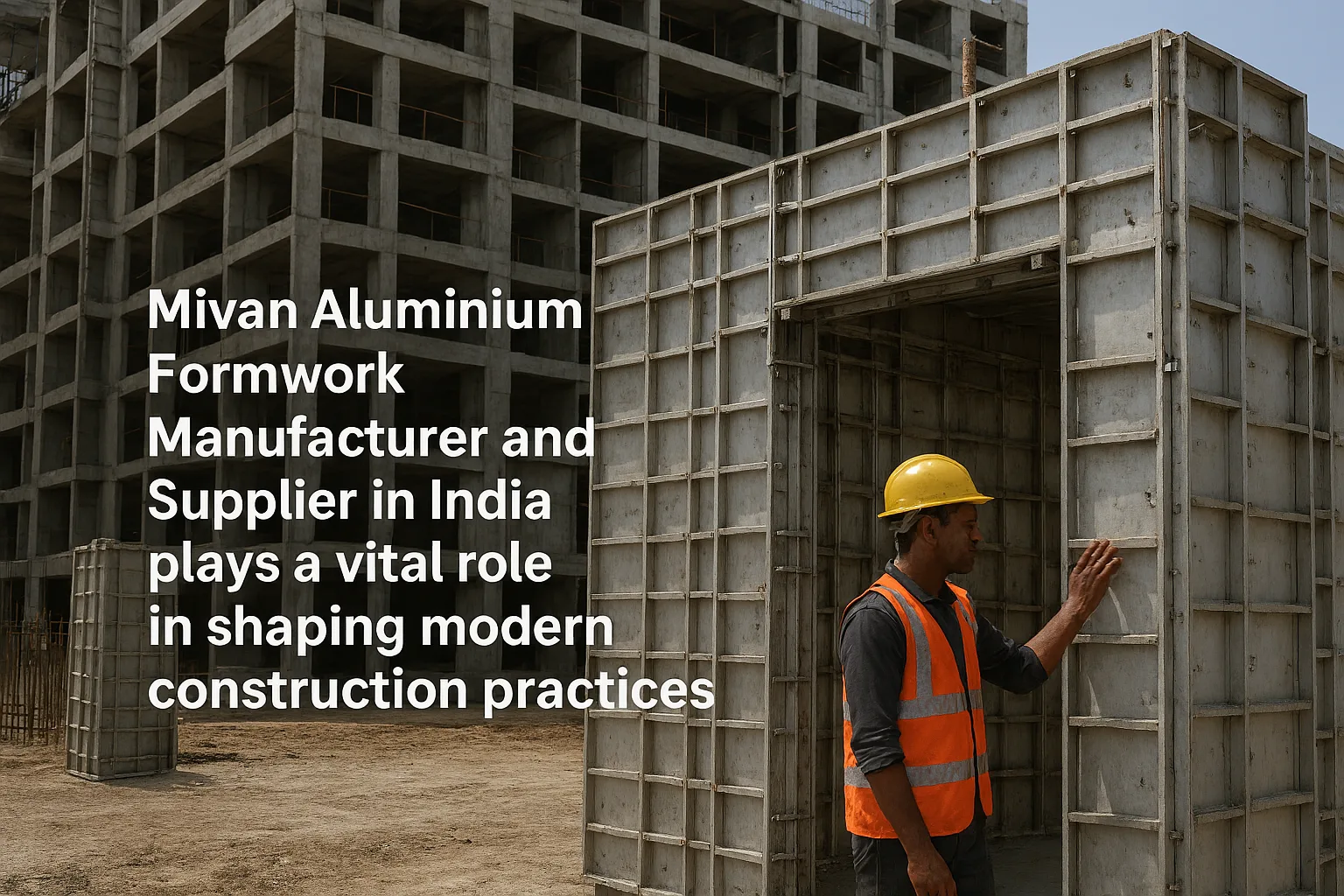
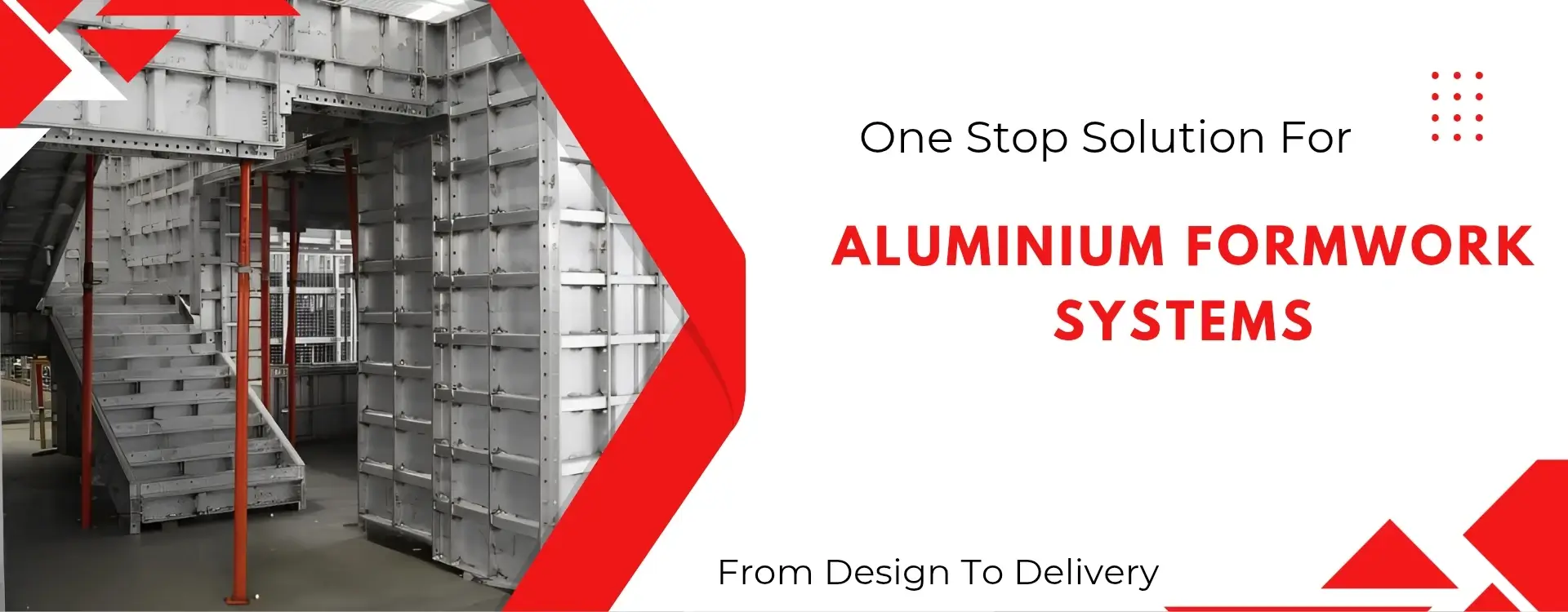
Although not a traditional scaffolding system, aluminium formwork plays a major role in modern construction by providing precise moulds for concrete structures. It supports faster project cycles, improved concrete finishes, and reduced labour dependency.
How Modern Scaffolding Improves Construction Efficiency
The evolution of modern scaffolding systems in construction directly contributes to better project performance. Improved efficiency comes from:
• Faster assembly and dismantling
• Fewer components
• Lightweight but strong materials
• Enhanced worker safety and comfort
• Flexibility to adapt to any height or design
• Reduced need for manual labour
These systems allow construction teams to focus more on core activities while relying on stable, secure platforms that support their tasks perfectly.
The Role of Safety in the Evolution of Scaffolding
Safety is a primary factor influencing scaffolding innovation. Modern systems are designed with strong locking mechanisms, slip-resistant platforms, precise load calculations, and quality-tested materials. Regular inspections, maintenance guidelines, and standardized certifications ensure that scaffolding adheres to global safety requirements.
By prioritizing safety, modern scaffolding helps reduce accidents, improve productivity, and build confidence among workers and contractors.
Sustainability and Reusability in Modern Scaffolding Systems
One of the most important aspects of today’s scaffolding systems is sustainability. Unlike traditional wooden scaffolding, modern steel and aluminium components are highly durable, reusable, and recyclable. This reduces waste, minimizes environmental impact, and offers long-term cost benefits to construction companies.
Reusable scaffolding systems contribute to:
• Lower material consumption
• Reduced project waste
• Better resource efficiency
• Longer lifecycle and value
The Future of Scaffolding Systems in Construction
As construction technology advances, scaffolding systems will continue to evolve. Future trends include:
• Smart scaffolding with sensors for load monitoring
• Lightweight composite materials
• Faster assembly technologies
• Improved worker protection features
• Increased focus on sustainable engineering
These innovations will further enhance the efficiency and safety of modern construction projects.
Conclusion
The evolution of modern scaffolding systems in construction reflects the industry’s commitment to safety, efficiency, and innovation. From simple wooden frameworks to advanced modular systems, scaffolding has become a highly engineered solution essential for any successful project. Today’s systems offer superior strength, adaptability, and reusability that meet the needs of high-rise construction, industrial projects, and infrastructure development. As new technologies emerge, scaffolding will continue to advance, supporting the future of global construction with safer, faster, and more sustainable solutions.