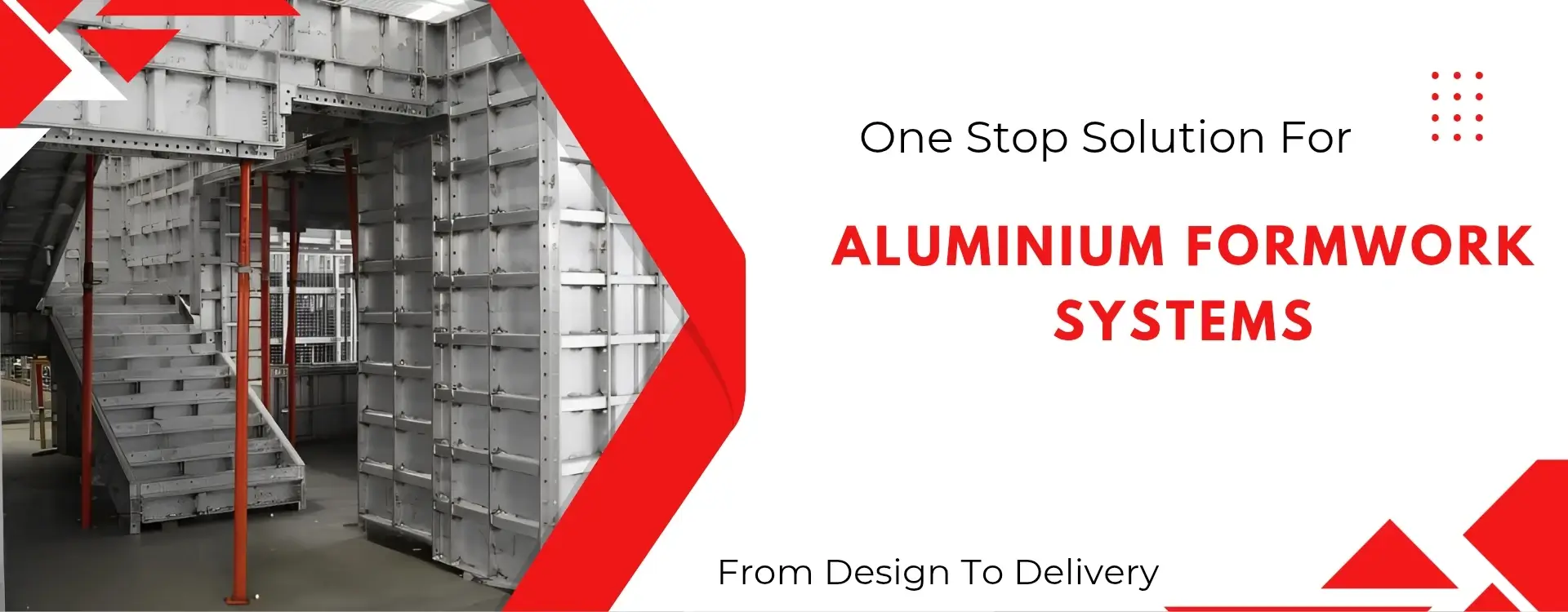

Precision Engineering is reshaping the construction industry by delivering unmatched accuracy, performance, and safety across every stage of a building project.
If you’ve ever faced issues like misalignment, structural weaknesses, delays, or unexpected failures, you already know how costly small errors can become.
This article shows how precision-driven processes solve those challenges and help engineers, contractors, and builders achieve stronger, safer, and more reliable structures.
How Precision Engineering Improves Structural Reliability
Modern construction demands more than speed. It demands structural systems engineered to exact specifications, tested for high performance, and produced with advanced technologies. Precision engineering brings together applied science, engineering discipline, experience-based decision-making, and rigorous quality control to achieve this.
Professionals rely on digital modelling, automated fabrication, robotics, and advanced testing methods to ensure that every component whether formwork, scaffolding, beams, columns, or reinforcement systems performs with predictable and proven reliability. This reduces on-site errors, prevents delays, and ensures long-term safety.
1. Understanding Precision Engineering in Construction
Precision engineering refers to the design, production, and installation of components with extremely tight tolerances, using advanced tools, machines, and measurement systems.
In construction, this covers everything from:
Digital modelling and simulation
CNC-driven fabrication
Robotics and automated cutting/forming
Quality-assured material selection
Structural load analysis
Non-destructive testing
Site measurement systems (laser, GPS, BIM sync)
Small inaccuracies can lead to large structural vulnerabilities. Precision engineering ensures that every element fits flawlessly, behaves as expected, and contributes to a building’s stability.
2. Why Structural Reliability Depends on Precision
Structural reliability is the backbone of every project. When components are designed or installed with exact accuracy, several benefits emerge:
a) Better Load Distribution
Precision-fabricated members maintain uniform thickness, strength, and geometry. This prevents weak zones, uneven load distribution, and premature failure.
b) Improved Joint and Connection Strength
Precision machining allows joints to lock, weld, or bolt with exact fitment.
This results in:
Stronger connections
Reduced wobble or movement
Minimal risk of cracking or deformation
c) Higher Tolerance to Environmental Stress
Temperature, wind, seismic forces, and moisture stress affect structures differently.
Precision-engineered systems maintain their integrity under extreme conditions, providing better long-term performance.
d) Reduced On-Site Rework
When components fit perfectly:
There is no cutting or welding adjustment
Installation becomes faster and safer
Project delays reduce significantly
e) Predictable Structural Behavior
Engineers can predict structural behaviour with higher accuracy when every component meets design standards without deviation.
3. Technologies That Enable Precision Engineering
Modern construction now uses a combination of digital and mechanical technologies to enhance accuracy.
a) Building Information Modelling (BIM)
BIM allows multi-dimensional modelling, simulations, clash detection, and optimisation.
It ensures components are fabricated exactly as planned.
b) CNC Fabrication
Computer-controlled machines cut, weld, roll, and form steel, aluminium, and other materials with micrometre-level accuracy.
c) Robotics & Automation
Robotic arms help with repetitive, high-precision welding, bending, and assembly.
d) Laser-Based Measurement Systems
Laser scanning ensures exact alignment of columns, beams, scaffolding towers, and formwork placements.
e) Non-Destructive Testing (NDT)
Ultrasonic tests, radiography, and magnetic particle inspection verify component quality without damaging materials.
These technologies together raise the accuracy and quality of structural components, improving overall reliability.
4. How Precision Engineering Enhances Key Construction Systems
a) Formwork Systems
Precision-engineered formwork ensures:
Uniform slab thickness
Accurate beam and column alignment
Improved concrete finish
Faster assembly and striking
It reduces concrete wastage and improves structural quality.
b) Scaffolding Systems
Scaffolding relies heavily on consistency and alignment. With precision engineering:
Load-bearing capacity improves
Towers stay perfectly plumb
Joint failure risk reduces
Worker safety increases
c) Steel Structures and Frames
Laser-cut and CNC-fabricated steel members achieve stronger structural frames with exact bolt-hole alignment and predictable performance.
d) Reinforcement Components
Accurate rebar cutting and bending reduce structural weaknesses and ensure better anchorage and bonding.
5. Impact of Precision on Construction Safety
Safety improves drastically when structures and temporary support systems maintain exact tolerances.
Direct safety benefits include:
Prevention of buckling or collapse
Improved stability under load
Lower chances of equipment failure
Minimized human error
Safe working platforms and load support systems
Precision engineering eliminates uncertainty, which is often the biggest risk factor on construction sites.
6. Cost Advantages of Precision Engineering
While precision systems may seem higher in cost initially, the long-term savings are significant.
a) Reduced Rework and Waste
Cut-and-fit adjustments are eliminated, saving time and materials.
b) Faster Construction Cycles
Accurate components speed up erection, assembly, and finishing.
c) Lower Maintenance Costs
Reliable structures demand fewer repairs over their lifespan.
d) Enhanced Durability
Exact engineering prevents early failure, cracks, deformation, and misalignment.
Precision thus becomes a cost-efficient approach for both short-term project delivery and long-term structural performance.
7. How Precision Builds Long-Term Structural Performance
Every structure must maintain stability throughout its life cycle.
Precision engineering ensures:
Predictable behaviour under live and dead loads
Higher resistance to natural forces
Minimal structural fatigue
Better performance under heavy usage
Longer service life without major repairs
This approach benefits residential, commercial, industrial, and infrastructure projects alike.
8. The Future of Precision Engineering in Construction
Construction is moving rapidly toward automation, robotics, sustainability, and smart systems.
In the future, precision engineering will be enhanced by:
AI-based predictive modelling
Autonomous fabrication systems
Real-time on-site digital alignment tools
3D printing of building components
Smart sensors to monitor structural health
Ultra-high-precision composite materials
These innovations will transform how buildings are designed, executed, and maintained—making projects safer, faster, and more reliable.

Conclusion
Precision engineering is no longer optional in modern construction.
It is the foundation of structural reliability, safety, cost efficiency, and long-term performance. When every component fits accurately, behaves as expected, and follows strict quality controls, the entire structure becomes stronger and more dependable.
Builders, architects, engineers, and developers who embrace precision technologies gain a major advantage—reduced risks, smoother workflow, and superior structural outcomes.