Every construction site relies on a safe and stable work platform, yet one question continues to confuse engineers, contractors, students, and beginners: how many type of scaffolding exist and which one should be used for what purpose? Choosing the wrong type can slow down work, increase risks, raise costs, and affect the final quality of the project.
This guide explains each major scaffolding type with clear definitions, features, benefits, and practical use cases. By the end, you will be able to identify the correct scaffolding system for your project with confidence. This knowledge improves safety, boosts productivity, and helps in smart decision making. The information provided here is based on real industry experience, manufacturer standards, and practical usage in global markets such as India, UAE, and Saudi Arabia. It reflects the same quality followed by professional scaffolding companies such as Finomax Scaffolding, known for delivering reliable and efficient systems across varied construction environments.
Scaffolding provides temporary support, access, and work platforms. Different project environments require different scaffolding systems, which is why understanding each type is essential for safe and successful construction work.
Below are the most widely used scaffolding types across the construction industry.
1. Tubular Scaffolding
Tubular scaffolding uses steel or MS pipes connected with clamps and couplers. It is versatile and suitable for almost every building type.
Key Features
Made from MS or steel pipes
Highly flexible design
Easily adjustable on irregular or complex structures
Allows multiple height configurations
Advantages
Strong load-bearing strength
Very long lifespan
Perfect for challenging architectural designs
Easy to repair and maintain
Common Applications
High-rise construction
Industrial buildings
Bridges
Renovation work
Confined areas or uneven ground
Tubular scaffolding remains a preferred choice due to its flexibility and strength.
2. Cuplock Scaffolding System
Cuplock scaffolding is a globally popular modular system that offers speed and stability. It uses a simple rosette and locking cup mechanism for fast assembly.
Key Features
Vertical standards and horizontal ledgers
Cup and blade locking system
Uniform component sizes
Galvanized steel construction
Advantages
Very quick to assemble and dismantle
High strength and stability
Ideal for heavy-duty and high-pressure tasks
Reduced labor requirement
Common Applications
Metro and bridge construction
Tunnel frameworks
Slab and beam support
Industrial plants and power plants
High-load structures
Cuplock is often selected for large-scale infrastructure projects because it manages heavy loads with ease.
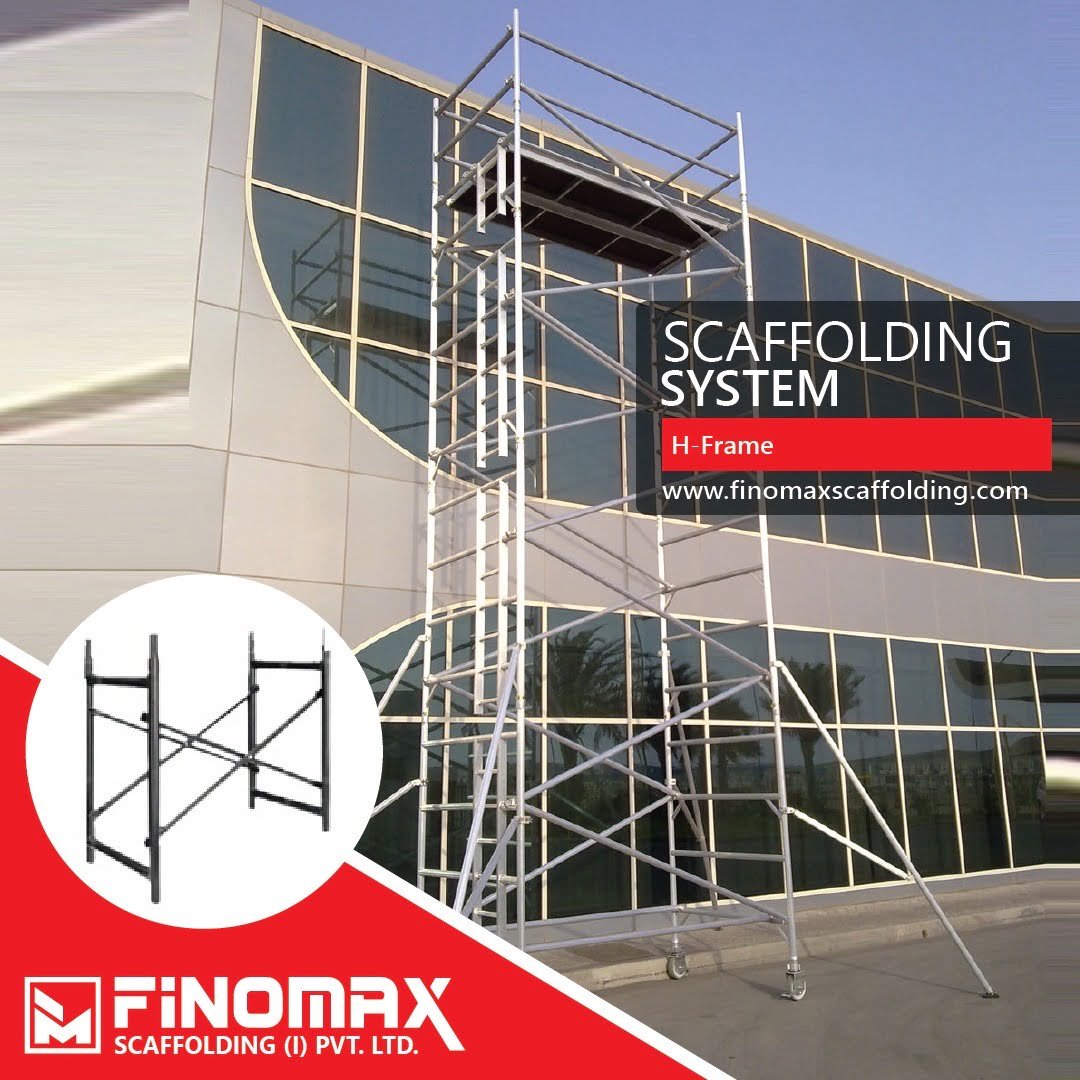
3. H Frame Scaffolding
H frame scaffolding, also known as door frame scaffolding, is simple, stable, and ideal for projects requiring quick setup.
Key Features
Pre-welded H-shaped frames
Very easy to assemble
Minimal fittings required
Perfect for repetitive work
Advantages
Cost-effective
Extremely stable
Suitable for both beginners and professionals
Low maintenance
Common Applications
Plastering
Painting
Exterior finishing
Commercial building maintenance
H frame scaffolding is widely used in residential and commercial projects for its simplicity and reliability.
4. Ringlock Scaffolding System
Ringlock is an advanced modular system designed for fast erection and maximum flexibility. It is one of the strongest and safest scaffolding types.
Key Features
Rosette connector system
Multi-angle connections
Galvanized steel
Standardized components
Advantages
Excellent for complex shapes
High load-bearing capacity
Very fast installation
Global acceptance and certification
Common Applications
Stadiums
Industrial refineries
Shipyards
Architectural structures with curves
Event staging systems
Ringlock scaffolding is preferred for complex structural projects where stability and precision are essential.
5. Frame Scaffolding
Frame scaffolding uses ladder-type or walk-through frames. It is lightweight and great for finishing work.
Key Features
Pre-fabricated frames
Easy to climb
Simple to transport
Quick assembly
Advantages
Affordable
Lightweight and practical
Convenient for interior use
Requires very few components
Common Applications
Interior painting
Ceiling work
Light construction tasks
Maintenance contracts
Frame scaffolding suits projects where mobility and speed are necessary.
6. Suspended Scaffolding
Suspended scaffolding hangs from the top of a building and can move up or down. It is used where ground access is limited or impossible.
Key Features
Suspended via ropes or chains
Height can be adjusted
Requires a powered or manual platform
Occupies no ground space
Advantages
Perfect for high-rise access
Fast vertical movement
Cost-efficient for façade work
No need for ground support
Common Applications
Glass façade installation
Window cleaning
External repairs
Building inspections
Suspended scaffolding is one of the best solutions for tall buildings where conventional scaffolding is not suitable.
7. Cantilever Scaffolding
Cantilever scaffolding is used when the ground does not support vertical standards.
Key Features
Supported from a building or structure
Installed through needle beams
Requires strong engineering design
Advantages
Perfect for busy roads or congested areas
Suitable when ground conditions are weak
Provides safe access to upper levels
Common Applications
Tall building repairs
Masonry work above obstacles
Construction near traffic or narrow areas
Cantilever scaffolding is useful when a stable base is not available on the ground.
8. Trestle Scaffolding
A simple, mobile scaffolding type used mainly for indoor work.
Key Features
Supported by movable tripods
Adjustable height
Lightweight and portable
Advantages
Easy to move
Simple design
Good for short-duration tasks
Common Applications
Interior finishing
Electrical installations
Wall painting
Minor repair tasks
Trestle scaffolding is ideal for indoor jobs that require frequent movement.
9. Single Scaffolding
Single scaffolding is commonly used for brick masonry.
Key Features
One row of standards
Connected with ledgers and putlogs
Fixed into the wall at several points
Advantages
Affordable and easy to install
Suitable for low-height structures
Simple configuration
Common Applications
Brick masonry
Small building façade work
10. Double Scaffolding
Double scaffolding is used for stone masonry where walls cannot support putlogs.
Key Features
Two rows of scaffolding
High strength and stability
Supports heavy loads
Advantages
Very strong
Suitable for rough stone walls
Provides extra support
Common Applications
Stone masonry
Heavy wall construction in old buildings
Key Takeaways
Different projects require different scaffolding types
Popular systems include tubular, cuplock, H frame, ringlock, frame, suspended, cantilever, trestle, single, and double scaffolding
Selection depends on load capacity, height, design complexity, safety requirements, and ground conditions
Modern modular systems offer speed and efficiency while traditional systems provide flexibility and cost savings
Choosing the right scaffolding improves safety, productivity, and overall project performance
Why Choose Finomax Scaffolding
Selecting the right scaffolding supplier is just as important as choosing the right scaffolding type. Reliable materials, strict safety standards, and consistent technical support can significantly improve the overall success of a construction project. Finomax Scaffolding has built a strong reputation in the construction industry by delivering dependable, high-quality solutions that support projects of every scale.
1. High-Quality Materials and Engineering Standards
Finomax manufactures scaffolding systems using durable, industry-grade raw materials tested for strength, stability, and long-term performance. Every product is designed with precision to meet national and international safety standards.
2. Wide Range of Scaffolding Solutions
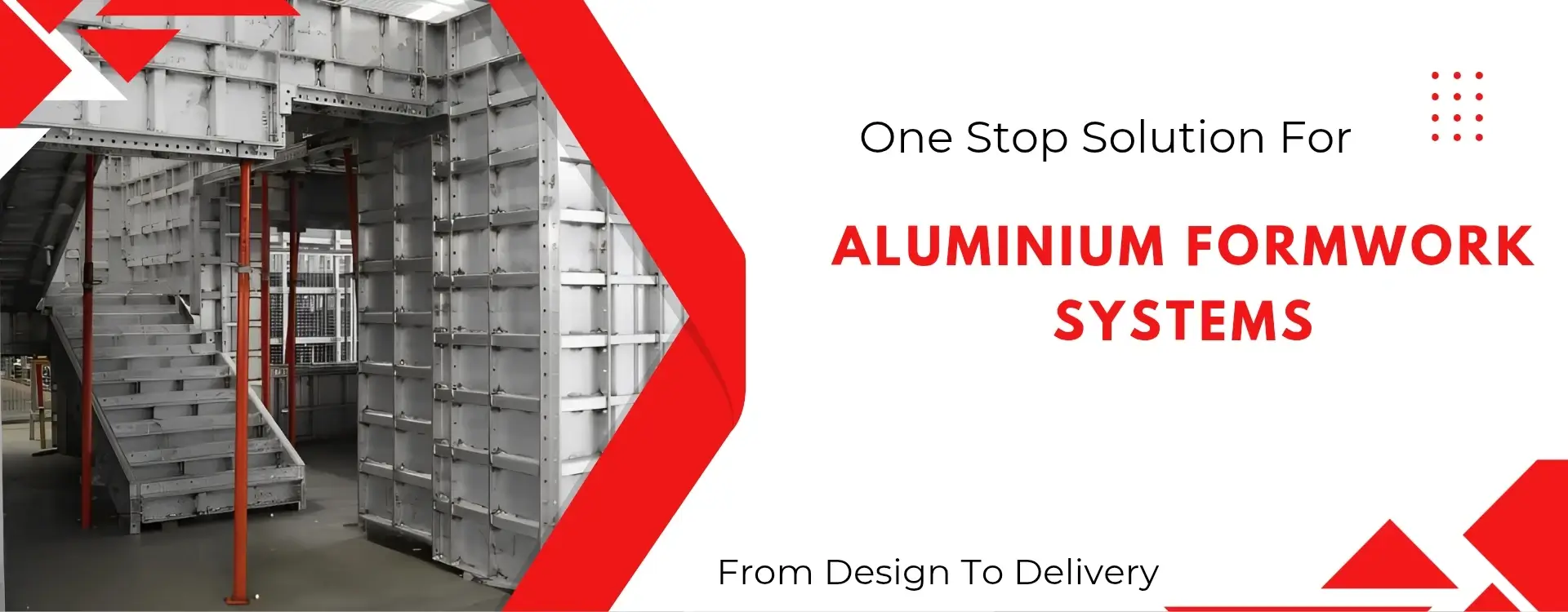
Finomax offers multiple scaffolding systems including cuplock, H frame, ringlock, tubular scaffolding, shuttering support, and aluminium formwork. This allows contractors to choose the most suitable system for their project requirements without searching multiple suppliers.
3. Proven Experience in Major Construction Markets
Finomax serves clients across India, UAE, Saudi Arabia, Africa, and several global markets. Their products are widely used in residential, commercial, industrial, and infrastructure projects. This wide experience ensures reliable performance across different environments and construction challenges.
4. Safety-Focused Manufacturing
Every scaffolding component is tested for load capacity, durability, and fail-safe performance. Finomax follows strict safety protocols to reduce onsite risks, making their systems trusted by professional engineers and site managers.
5. Cost-Effective and Long-Lasting Solutions
Finomax scaffolding systems are built for long-term use with anti-corrosion coatings and high structural strength. This reduces repair and replacement costs and provides excellent value for contractors and builders.
6. Customizable Support and Technical Guidance
The company provides personalized assistance to help clients choose the correct scaffolding system. Whether it is a small commercial building or a high-rise infrastructure project, Finomax offers technical support related to setup, load analysis, usage, and safety guidelines.
7. Reliable Availability and On-Time Delivery
Construction timelines are important. Finomax maintains strong manufacturing and distribution capabilities that ensure timely delivery of scaffolding materials wherever required, keeping projects on schedule.
8. Trusted by Builders and Contractors
With a large number of repeat customers and strong industry recommendations, Finomax has established trust through consistent quality, transparent pricing, and dependable service.