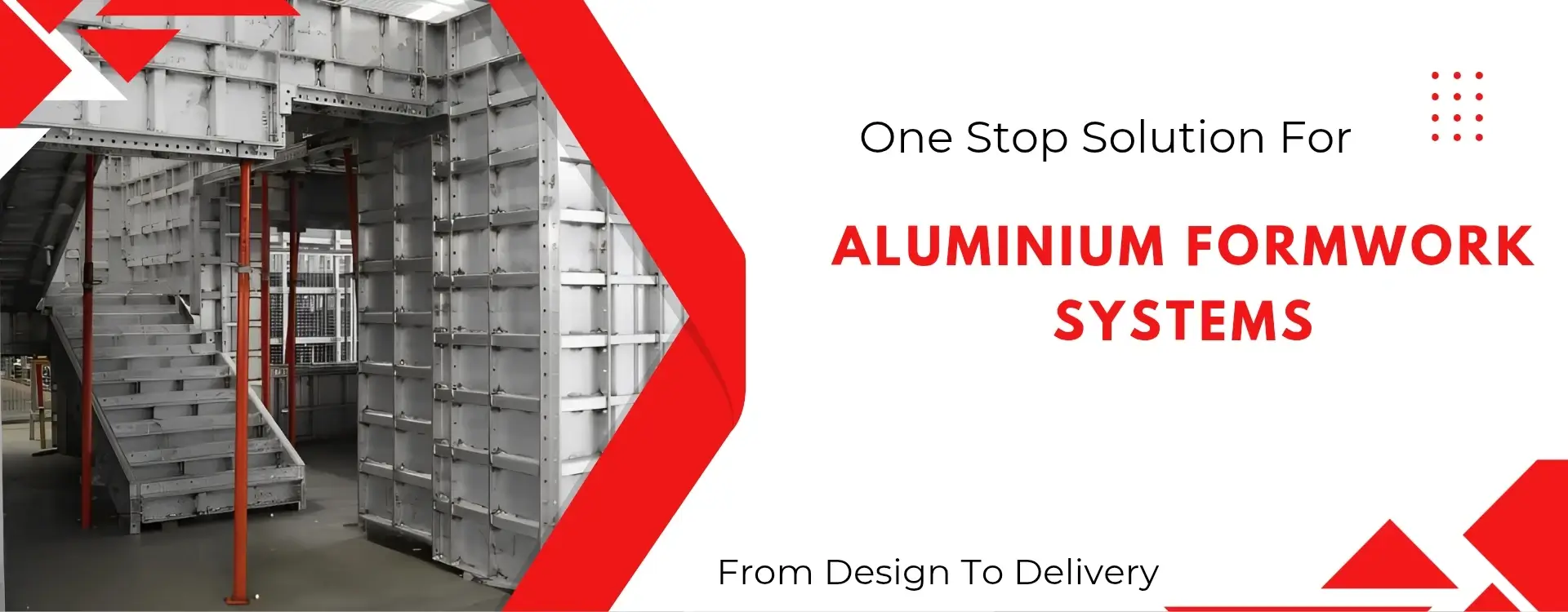
Knowledge Sharing in Construction has become a critical factor in how modern projects are planned, executed, and delivered. As construction technology advances and projects grow in scale and complexity, the ability to share information effectively across teams directly impacts productivity, safety, quality, and timelines. Construction is no longer just about physical execution. It is equally about transferring experience, technical know-how, and best practices across people, processes, and platforms.
In an industry where multiple stakeholders work together under tight schedules, poor knowledge flow can lead to costly mistakes, rework, and delays. On the other hand, organisations that promote structured knowledge sharing are better equipped to adopt modern construction methods, improve collaboration, and deliver consistent results. This blog explores the benefits, challenges, and best practices of knowledge sharing in construction and explains why it has become essential for long-term success.
What Is Knowledge Sharing in Construction?
Knowledge sharing in construction refers to the systematic exchange of information, experience, skills, and technical insights among professionals involved in a project. This includes engineers, architects, project managers, supervisors, safety officers, procurement teams, and site workers.
It covers both formal and informal knowledge, such as:
Technical procedures and construction methods
Lessons learned from previous projects
Safety guidelines and compliance standards
Equipment usage and maintenance practices
Site planning and workflow strategies
Effective knowledge sharing ensures that the right information reaches the right people at the right time.
Why Knowledge Sharing Is Essential in Modern Construction
The construction industry has evolved rapidly with the introduction of advanced formwork systems, digital tools, automation, and new materials. Without proper knowledge sharing, these innovations cannot deliver their intended benefits.
Knowledge sharing helps construction companies:
Reduce dependency on individual expertise
Maintain consistency across multiple sites
Improve decision-making and problem-solving
Support workforce training and development
Increase adaptability to new technologies
In modern construction, knowledge is as valuable as equipment or materials.
Key Benefits of Knowledge Sharing in Construction
1. Improved Productivity and Efficiency
When teams share best practices and technical know-how, tasks are completed faster and with fewer errors. Workers understand the correct sequence of activities, equipment usage, and safety protocols, which improves overall efficiency.
Benefits include:
Reduced downtime and confusion
Faster construction cycles
Better coordination between teams
Optimised use of resources
Shared knowledge eliminates guesswork and ensures smoother execution.
2. Higher Construction Quality
Construction quality depends heavily on accurate execution and adherence to standards. Knowledge sharing helps teams understand quality benchmarks and avoid repeated mistakes.
It leads to:
Better alignment with design intent
Fewer structural and finishing defects
Reduced rework and material wastage
Consistent quality across projects
When lessons learned are documented and shared, every new project benefits from previous experience.
3. Enhanced Site Safety
Safety incidents often occur due to lack of awareness or improper handling of tools and materials. Knowledge sharing plays a vital role in educating workers about risks and preventive measures.
Safety benefits include:
Better understanding of site hazards
Correct use of PPE and safety equipment
Improved compliance with safety regulations
Faster response to emergencies
A well-informed workforce creates a safer construction environment.
4. Faster Adoption of New Construction Technologies
Modern construction relies on advanced systems such as aluminium formwork, BIM, digital monitoring tools, and automated machinery. Knowledge sharing ensures that these technologies are understood and used correctly.
It helps teams:
Learn new systems quickly
Avoid misuse of advanced equipment
Maximise return on technology investment
Stay competitive in the market
Technology adoption becomes smoother when knowledge flows freely.
5. Stronger Collaboration and Communication
Construction projects involve multiple teams working together. Knowledge sharing improves collaboration by ensuring everyone has access to accurate and updated information.
This results in:
Fewer misunderstandings
Better coordination between design and execution
Improved trust between teams
Clear accountability and responsibilities
Strong communication leads to better project outcomes.

Challenges of Knowledge Sharing in Construction
Despite its importance, knowledge sharing in construction faces several challenges that organisations must address.
1. Fragmented Project Teams
Construction projects often involve temporary teams formed for specific projects. Once a project ends, valuable knowledge may be lost if not documented properly.
This leads to:
Repetition of past mistakes
Loss of expert insights
Inefficient onboarding of new teams
2. Lack of Documentation and Standardisation
Many construction companies rely heavily on verbal instructions and informal communication. Without proper documentation, knowledge becomes inconsistent and difficult to transfer.
Common issues include:
No standard operating procedures
Incomplete project records
Inconsistent work methods across sites
3. Resistance to Change
Some professionals may hesitate to share knowledge due to fear of losing authority or job security. Others may be reluctant to adopt new technologies or processes.
This resistance can slow down:
Innovation
Technology adoption
Organisational learning
4. Limited Use of Digital Tools
Although digital platforms can greatly enhance knowledge sharing, many construction sites still rely on manual processes. Limited access to digital tools restricts information flow.
Challenges include:
Poor connectivity on sites
Lack of training on digital platforms
Resistance to digital transformation
5. Time Constraints and Work Pressure
Construction schedules are often tight, leaving little time for training or knowledge exchange. When deadlines dominate priorities, knowledge sharing may be overlooked.
This short-term focus can negatively impact long-term performance.
Best Practices for Effective Knowledge Sharing in Construction
1. Create a Knowledge-Sharing Culture
Organisations must encourage open communication and collaboration. Leaders should promote the idea that sharing knowledge benefits everyone.
Key actions include:
Recognising employees who share valuable insights
Encouraging team discussions and feedback
Promoting learning as a continuous process
2. Document Processes and Lessons Learned
Standardising documentation ensures that knowledge is preserved and accessible.
Recommended practices:
Maintain standard operating procedures
Record lessons learned after project completion
Use checklists and manuals for repetitive tasks
Documentation turns experience into reusable knowledge.
3. Use Digital Platforms for Information Sharing
Digital tools make it easier to store, access, and update knowledge.
Effective tools include:
Project management software
Cloud-based document systems
Mobile apps for site updates
BIM platforms for design coordination
Digital platforms ensure real-time knowledge access.
4. Conduct Regular Training and Workshops
Training sessions help transfer technical knowledge and align teams with best practices.
Training methods can include:
On-site demonstrations
Toolbox talks
Online training modules
Skill development workshops
Continuous learning strengthens workforce capability.
5. Encourage Cross-Team Collaboration
Bringing different teams together promotes knowledge exchange and innovation.
Examples include:
Joint review meetings
Cross-functional workshops
Experience-sharing sessions
Collaboration breaks silos and improves project understanding.
6. Assign Knowledge Champions
Designating experienced professionals as mentors or knowledge champions ensures consistent guidance.
Their role includes:
Supporting junior staff
Sharing best practices
Ensuring process adherence
Promoting continuous improvement
The Long-Term Impact of Knowledge Sharing in Construction
Organisations that invest in knowledge sharing achieve sustainable growth. Over time, they build a skilled workforce, reduce operational risks, and improve project predictability.
Long-term benefits include:
Stronger organisational reputation
Higher client satisfaction
Reduced project delays
Improved profitability
Continuous innovation
Knowledge sharing becomes a strategic advantage rather than an operational task.
Conclusion
Knowledge Sharing in Construction is no longer optional in today’s technology-driven industry. It directly influences productivity, quality, safety, and project success. While challenges such as resistance to change and lack of documentation exist, they can be overcome through structured processes, digital tools, and leadership commitment.
By fostering a culture of learning, documenting experience, and encouraging collaboration, construction companies can unlock the full potential of modern construction technology. In the long run, organisations that prioritise knowledge sharing are better prepared to adapt, innovate, and lead in a competitive construction landscape.