India’s construction sector is rapidly shifting toward faster, safer, and more cost controlled building methods. One of the most important technologies driving this change is aluminium formwork. Widely adopted in mass housing, high rise residential, and infrastructure projects, aluminium formwork systems help developers and contractors achieve speed, consistency, and long term savings.
This blog explains how aluminium formwork systems work, the technology behind them, their cost benefits, and the real return on investment for modern construction projects in India.
What Are Aluminium Formwork Systems
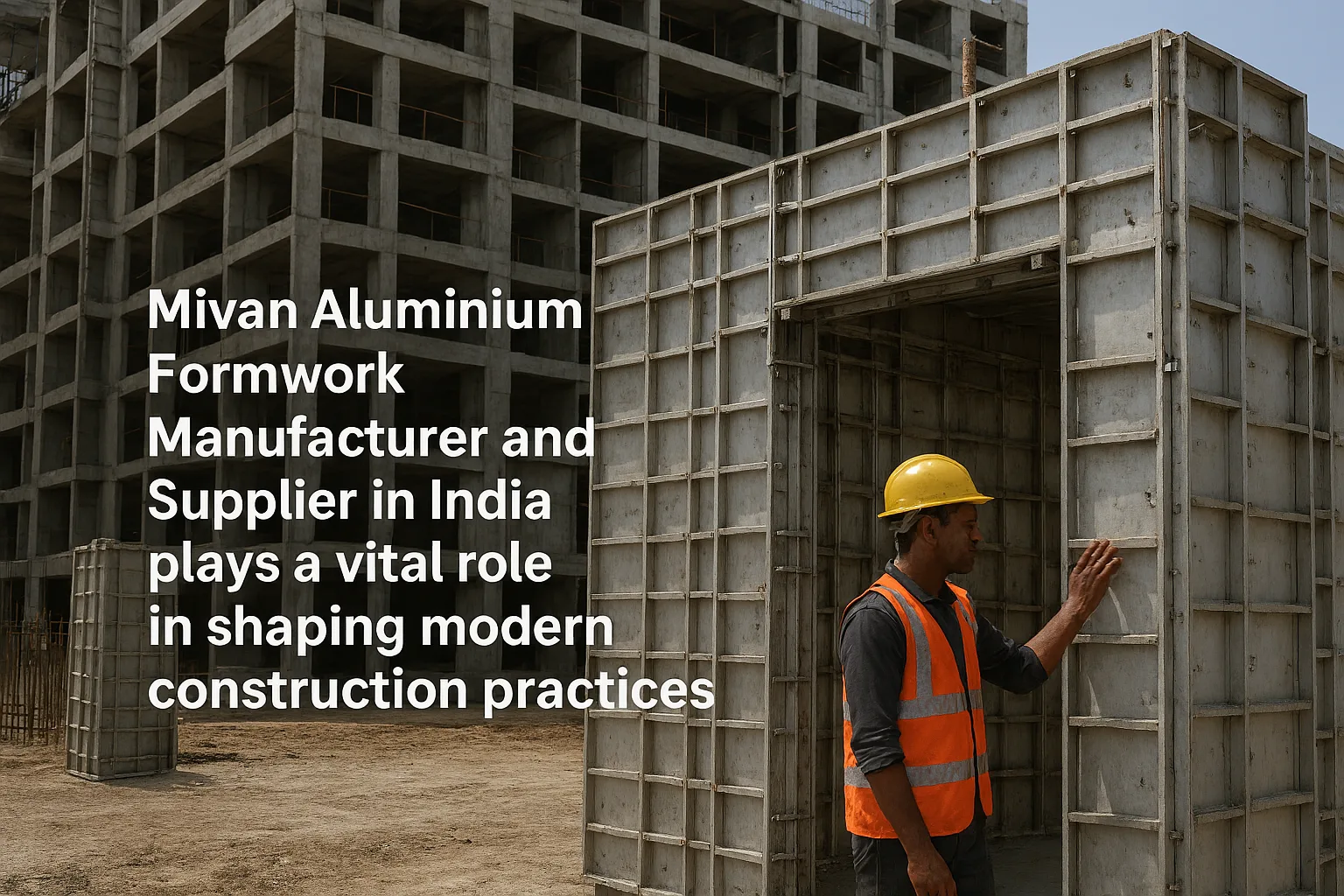
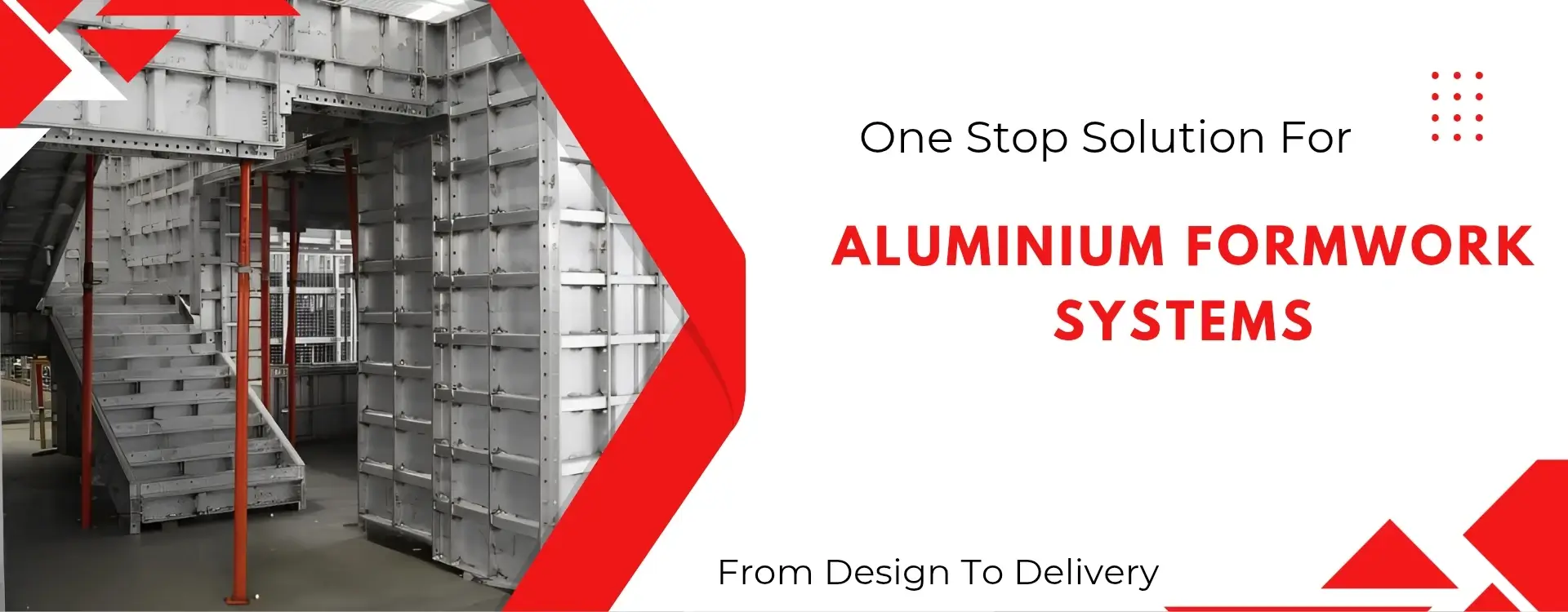
Aluminium formwork is a modular shuttering system made from high strength aluminium alloy. It is designed to cast walls, slabs, beams, columns, staircases, and other structural components in a single pour.
Unlike conventional shuttering, aluminium formwork uses precisely engineered panels that can be reused hundreds of times with minimal loss of accuracy. This makes it ideal for repetitive floor plans and large scale developments.

Technology Behind Aluminium Formwork Systems
Aluminium formwork systems are built on precision engineering and modular design principles.
Key technology features include:
Lightweight aluminium panels for easy handling
Pin and wedge or quick lock connections for fast assembly
Factory fabricated panels for dimensional accuracy
Integrated wall and slab casting in one cycle
Smooth concrete finish that reduces plastering
Why Aluminium Formwork Is Growing Rapidly in India
Several factors are accelerating adoption across Indian construction projects:
Rising labor costs and labor shortages
Demand for faster project completion
Government push for mass housing and infrastructure
Need for consistent quality and safety compliance
Aluminium formwork aligns well with these requirements, especially for developers managing tight delivery timelines.
Cost Benefits of Aluminium Formwork Systems
Reduced Construction Time
Faster cycle times directly reduce project overheads such as site management, equipment rentals, and financing costs. Completing floors quicker means earlier project handover and revenue realization.
Lower Labor Dependency
Aluminium formwork requires semi skilled labor and smaller teams compared to conventional shuttering. This reduces labor costs and dependency on highly skilled carpenters.
Minimal Material Wastage
Factory made panels eliminate timber wastage and repeated cutting. This leads to cleaner sites and lower material loss.
Reduced Finishing Costs
The smooth concrete finish achieved with aluminium formwork significantly reduces plaster thickness and finishing work, saving both time and cost.
ROI Analysis for Aluminium Formwork in India
While aluminium formwork systems have a higher initial investment than traditional shuttering, the return on investment becomes clear over multiple repetitions.
Key ROI drivers:
150 to 250 reuse cycles depending on maintenance
Faster project completion improves cash flow
Reduced rework and repair costs
Consistent quality lowers long term maintenance issues
For large residential or mass housing projects, aluminium formwork often delivers a lower cost per square meter over the full project lifecycle.
Applications of Aluminium Formwork Systems
Aluminium formwork is best suited for projects with repetitive layouts and large volumes, such as:
High rise residential buildings
Affordable and mass housing projects
Student housing and hostels
Hotels and serviced apartments
Infrastructure buildings with repetitive design
Its use is especially effective where speed, uniformity, and structural accuracy are critical.
Aluminium Formwork vs Conventional Shuttering
Aluminium formwork offers clear advantages over traditional methods:
Faster cycle time
Higher reuse life
Better dimensional accuracy
Improved safety and site organization
Lower long term project cost
Conventional shuttering may appear cheaper initially, but it often leads to higher labor, slower execution, and inconsistent quality.
Key Considerations Before Adopting Aluminium Formwork
Before investing, developers and contractors should evaluate:
Project size and repetition level
Availability of trained erection teams
Formwork supplier’s technical support
Customization and design capability
On site supervision and cycle planning
Working with an experienced aluminium formwork manufacturer ensures better planning and smoother execution.

Conclusion
Aluminium formwork systems have become a cornerstone of modern construction in India. Their advanced technology, speed advantages, and strong return on investment make them a smart choice for developers and contractors focused on scale, quality, and profitability.
For projects with repetitive designs and strict timelines, aluminium formwork is not just a construction method, it is a long term business advantage.