
News & Article

Day: February 22, 2026

One Stop Solution For Aluminium Formwork System
Aluminium Formwork System
Complete Guide to Aluminium Formwork Systems for Mumbai, Ahmedabad, Hyderabad & Tamil Nadu

Aluminium formwork systems are transforming high rise and mass housing construction across Mumbai, Ahmedabad, Hyderabad and Tamil Nadu. With increasing pressure to deliver projects faster while maintaining structural quality, developers are shifting from conventional shuttering to advanced monolithic construction methods. In rapidly expanding real estate markets, choosing the right aluminium formwork systems directly impacts construction speed, cost efficiency and finishing quality. This guide explains how these systems work, why they are ideal for metro and tier 1 cities, and what builders must evaluate before implementation. Aluminium formwork systems are modular panel based frameworks used to cast reinforced concrete walls, slabs, beams and columns in a single pour. This method supports monolithic construction, where structural components are cast together for improved strength and durability. Main components include: Wall panels Slab panels Beam panels Deck panels Props and accessories Pin and wedge locking systems These systems are engineered for repetitive use and precision alignment. Why Aluminium Formwork Systems Are Ideal for Indian Metro Projects Cities like Mumbai, Ahmedabad and Hyderabad are witnessing: High rise residential towers Commercial complexes Infrastructure expansion Affordable housing projects Tamil Nadu also continues to develop industrial corridors and urban housing. In these regions, aluminium formwork systems offer key advantages: 1. Faster Construction Cycles Typical slab cycle time ranges from 4 to 7 days. This accelerates project completion and improves return on investment. 2. Consistent Finishing Quality The smooth concrete finish reduces plaster requirements and enhances dimensional accuracy. 3. High Reusability Well maintained aluminium formwork systems can be reused 150 to 250 times, reducing long term cost. 4. Reduced Labor Dependency Compared to traditional shuttering, these systems require fewer skilled carpenters and offer streamlined assembly. Regional Considerations for Mumbai, Ahmedabad, Hyderabad & Tamil Nadu Mumbai High rise construction dominance Space constraints Strict municipal regulations Aluminium formwork systems help optimize vertical construction and improve slab cycle efficiency. Ahmedabad Rapid urban expansion Growing residential projects Industrial infrastructure growth Developers prefer systems that provide cost efficiency and faster handover. Hyderabad IT driven commercial expansion Luxury residential towers Large township developments Precision and speed are critical, making aluminium formwork systems highly suitable. Tamil Nadu Industrial and housing development Government backed housing schemes Mixed residential and commercial growth Durable systems with strong engineering support are preferred for long term scalability. Contact us for purchase Technical Features to Evaluate Before Selection Before investing in aluminium formwork systems, review: 1. Aluminium Grade and Thickness Higher grade aluminium ensures strength and durability. 2. Load Bearing Capacity Verify structural calculations and compliance with Indian standards. 3. Locking Mechanism Pin and wedge systems must ensure proper alignment and minimal leakage. 4. Surface Treatment Anti corrosion treatment improves lifespan in humid coastal areas like Mumbai and parts of Tamil Nadu. 5. Engineering Support Detailed shop drawings and 3D modelling reduce site errors. Cost Factors for Aluminium Formwork Systems Cost depends on: Project size and repetition Customization level Engineering complexity Transport and logistics After sales service While initial investment may be higher than conventional shuttering, lifecycle savings are significant due to reusability and faster completion. Builders should calculate cost per square meter over total reuse cycles rather than focusing only on upfront price. Implementation Best Practices To maximize performance of aluminium formwork systems: Ensure proper worker training Follow maintenance protocols after each cycle Conduct alignment checks before pouring Use proper release agents Maintain structured storage Correct handling extends reuse cycles and maintains finish quality. Common Mistakes to Avoid Avoid: Choosing suppliers without engineering expertise Ignoring load calculation documentation Skipping site supervision support Focusing only on lowest quotation Neglecting maintenance planning Selecting the right manufacturer ensures long term project success. FAQs Are aluminium formwork systems suitable for high rise buildings? Yes. They are widely used for high rise residential and commercial towers due to faster slab cycles and monolithic strength. How many times can aluminium formwork systems be reused? With proper maintenance, they can be reused between 150 and 250 cycles.   Is aluminium formwork cost effective for metro cities? Yes. In cities like Mumbai and Hyderabad, faster project completion significantly improves return on investment. Do aluminium formwork systems reduce plaster work? Yes. The smooth concrete finish reduces plaster thickness and finishing cost. Conclusion Aluminium formwork systems are a strategic investment for developers in Mumbai, Ahmedabad, Hyderabad and Tamil Nadu. They improve construction speed, structural strength and finishing quality while reducing long term costs. For builders aiming to complete high rise and mass housing projects efficiently, selecting the right aluminium formwork systems partner is essential. Focus on engineering expertise, manufacturing quality and after sales support. If you are planning a new residential or commercial development, contact our technical team today to discuss customized aluminium formwork systems tailored to your project requirements.
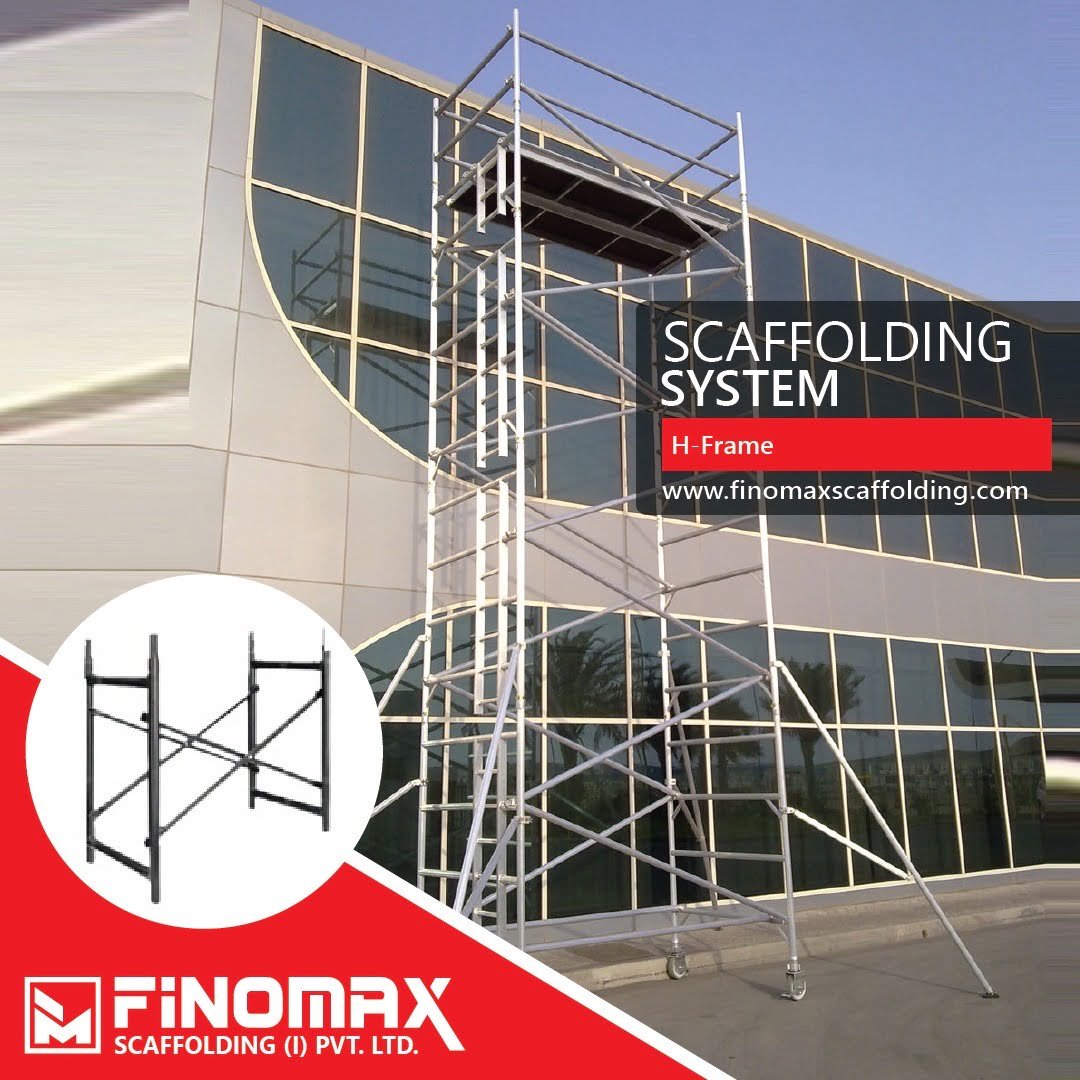
Scaffolding System
Aluminium Formwork System
Scaffolding Manufacturer in Kuwait, Saudi Arabia & UAE – Key Factors for Large Projects

Selecting the right scaffolding manufacturer is a critical decision for contractors managing large construction projects in Kuwait, Saudi Arabia and the UAE. Scaffolding directly impacts worker safety, productivity, project timelines and regulatory compliance. With mega infrastructure developments, commercial towers and industrial projects expanding across the GCC region, demand for high quality scaffolding systems continues to rise. However, not every scaffolding manufacturer can meet the technical, logistical and safety requirements of large scale construction. This guide explains what to evaluate before finalizing a scaffolding manufacturer for your next project. Why the Right Scaffolding Manufacturer Matters In large construction environments, scaffolding must deliver: High load bearing capacity Structural stability at height Quick assembly and dismantling Compliance with regional safety regulations An experienced scaffolding manufacturer provides engineered systems rather than basic fabricated structures. This difference becomes critical in high rise buildings, oil and gas facilities and infrastructure projects. Types of Scaffolding Systems Common in GCC Projects A reliable scaffolding manufacturer should offer multiple system options: 1. Ringlock Scaffolding Suitable for complex geometries High strength and flexibility Fast installation 2. Cuplock Scaffolding Ideal for repetitive structures Strong node locking system Cost effective for large volumes 3. H Frame Scaffolding Common for low to mid rise projects Simple assembly Widely used in residential construction Availability of multiple systems indicates strong manufacturing capability. Key Factors to Consider Before Choosing a Scaffolding Manufacturer 1. Manufacturing Infrastructure Evaluate whether the scaffolding manufacturer has: Automated welding and cutting machines In house quality inspection Galvanizing facilities High production capacity Large GCC projects often require bulk supply within tight deadlines. Production capability directly affects delivery reliability. 2. Compliance with Regional Safety Standards Construction regulations in Kuwait, Saudi Arabia and the UAE are strict. The scaffolding manufacturer must ensure: Compliance with international safety standards Load testing certification Anti corrosion treatment suitable for harsh climates Proper documentation for approvals In regions with high temperatures and coastal exposure, corrosion resistance is especially important. 3. Material Quality and Surface Treatment High quality scaffolding uses: High grade steel Precision welding Hot dip galvanization This improves durability and lifecycle performance, especially in desert and coastal environments. 4. Engineering Support and Technical Documentation A professional scaffolding manufacturer provides: Structural calculations Load distribution data Assembly manuals Technical drawings For mega projects in Saudi Arabia and the UAE, engineering documentation is often mandatory before site approval. 5. Logistics and Export Capability If the scaffolding manufacturer operates outside Kuwait or Saudi Arabia, verify: Export experience Timely shipping coordination Customs documentation handling On site delivery scheduling Reliable logistics prevent costly project delays. Scaffolding Manufacturer for High Rise and Infrastructure Projects Large scale projects require scaffolding systems that can handle: Greater heights Heavy load conditions Continuous multi level working platforms Worker safety compliance An experienced scaffolding manufacturer understands risk assessment, anchoring systems and platform design. Common Mistakes to Avoid When selecting a scaffolding manufacturer, avoid: Choosing based only on lowest price Ignoring load certification reports Overlooking corrosion protection quality Selecting suppliers without regional experience Skipping site inspection of previous projects Low cost systems can lead to safety hazards and regulatory penalties. How to Evaluate Long Term Value Instead of focusing only on purchase cost, assess: Reusability of components Maintenance requirements Rental options Replacement part availability After sales technical support A trusted scaffolding manufacturer becomes a long term partner for multiple projects. Contact Us for Supplier & exporter FAQs What makes a good scaffolding manufacturer? A good scaffolding manufacturer offers high quality materials, certified load testing, engineering support and reliable delivery. Is galvanization important in GCC countries? Yes. Due to heat, humidity and coastal exposure, galvanization significantly improves durability.   How do I verify scaffolding quality? Request load test certificates, inspect welding quality and review previous project references.   Can scaffolding be customized for mega projects? Yes. Experienced manufacturers provide customized configurations based on project design and height requirements. Conclusion Choosing the right scaffolding manufacturer in Kuwait, Saudi Arabia and the UAE requires careful technical evaluation, compliance verification and long term cost analysis. Safety, durability and engineering support should always take priority over pricing. For large construction projects, partner with a scaffolding manufacturer that offers certified systems, strong production capacity and reliable regional support. If you are planning a high rise, infrastructure or industrial project, contact our technical team today to discuss your scaffolding requirements and get a customized solution tailored to your project scale.

Product Enquiry