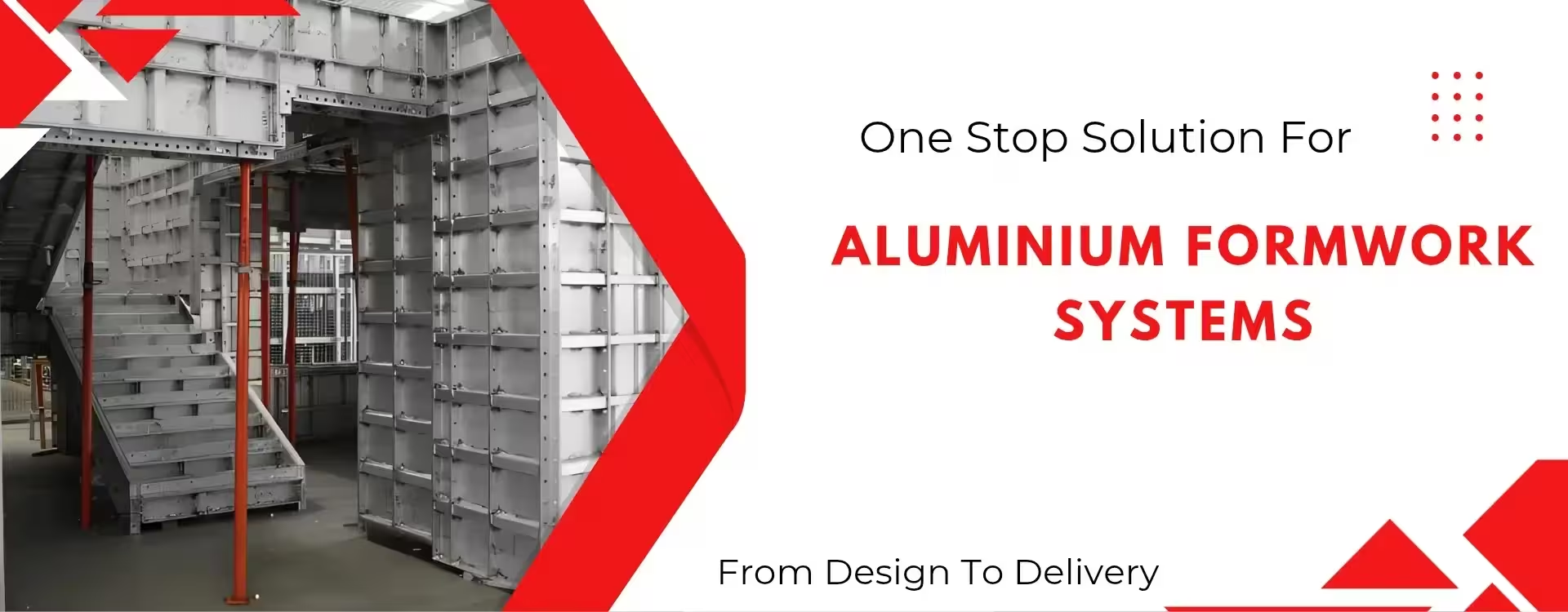
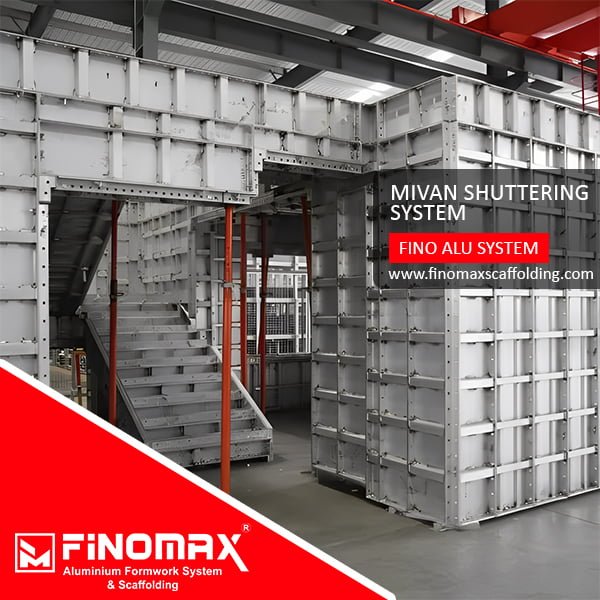
Speed of execution is one of the most critical success factors in modern construction. Delays directly increase labor costs, financing expenses, and overall project risk. This is why developers and contractors increasingly compare Mivan aluminium formwork with conventional formwork to identify the faster and more reliable system for project delivery. This blog provides a clear B2B comparison of Mivan aluminium formwork and conventional formwork, focusing on speed, efficiency, cost impact, and suitability for large scale projects. Understanding the Two Formwork Systems What Is Mivan Aluminium Formwork Mivan aluminium formwork is a precision engineered modular system made from high strength aluminium alloy. It enables monolithic casting of walls, slabs, beams, and columns in a single concrete pour. The system is factory fabricated and designed for repetitive use with consistent accuracy. What Is Conventional Formwork Conventional formwork typically uses timber, plywood, or mild steel components assembled manually on site. It relies heavily on skilled carpentry work and is usually dismantled and reassembled for each structural element. Mivan Aluminium Formwork Fixed construction cycle, often 4 to 5 days per floor Walls and slabs cast together in one pour Minimal adjustments once the cycle is established Predictable timelines across multiple floors Conventional Formwork Longer cycle time, typically 10 to 14 days per floor Separate casting for columns, beams, slabs, and walls Frequent on site modifications Higher risk of delays due to labor dependency Labor Dependency and Productivity Mivan Aluminium Formwork Requires smaller, semi skilled teams Simple pin and wedge or lock mechanisms Faster assembly and dismantling Consistent productivity across floors Conventional Formwork Highly dependent on skilled carpenters Labor intensive cutting and fitting Productivity varies by team and site conditions Result: Aluminium formwork reduces labor risk and improves productivity consistency. Quality and Accuracy Impact on Speed Mivan Aluminium Formwork Factory engineered panels ensure dimensional accuracy Smooth concrete finish reduces plastering work Minimal rework and alignment correction Conventional Formwork Inconsistent alignment and surface finish Higher plaster thickness required Increased rework slows overall progress Result: Better quality directly accelerates downstream activities such as finishing and MEP works. Cost Impact Related to Project Speed Although Mivan aluminium formwork has a higher initial cost, faster delivery creates significant indirect savings: Reduced site overheads Lower financing and interest costs Earlier project completion and handover Faster sales or rental revenue realization Conventional formwork may seem cheaper initially, but extended timelines often increase total project cost. Reusability and Long Term Efficiency Mivan Aluminium Formwork 150 to 250 reuse cycles Ideal for repetitive layouts Lower cost per use over large projects Conventional Formwork Limited reuse due to wear and damage Higher material wastage Inconsistent performance over time For large residential or mass housing projects, aluminium formwork delivers superior long term efficiency. Safety and Site Management Mivan aluminium formwork systems offer better site organization, standardized components, and improved working platforms. This enhances safety compliance and reduces accidents, which otherwise cause delays and disruptions. Conventional formwork sites are often cluttered with loose materials, increasing safety risks and slowing movement. Best Use Cases for Each System Mivan Aluminium Formwork Is Best For High rise residential buildings Mass housing and affordable housing projects Projects with repetitive floor plans Developers targeting strict timelines Conventional Formwork Is Suitable For Small or irregular structures Low repetition projects One off or custom design buildings Final Verdict: Which Is Better for Faster Project Delivery For speed focused, large scale construction projects, Mivan aluminium formwork is clearly superior. Its fixed construction cycle, lower labor dependency, consistent quality, and high reuse rate make it the preferred choice for developers and contractors aiming for faster project delivery and predictable outcomes. Conventional formwork still has relevance for smaller or non repetitive projects, but it cannot match the speed and efficiency of aluminium formwork in modern high volume construction.