
News & Article

Day: December 20, 2025

aluminium formwork manufacturer Hyderabad
Aluminium Formwork System
Why Construction Projects Fail Without Proper Temporary Structures

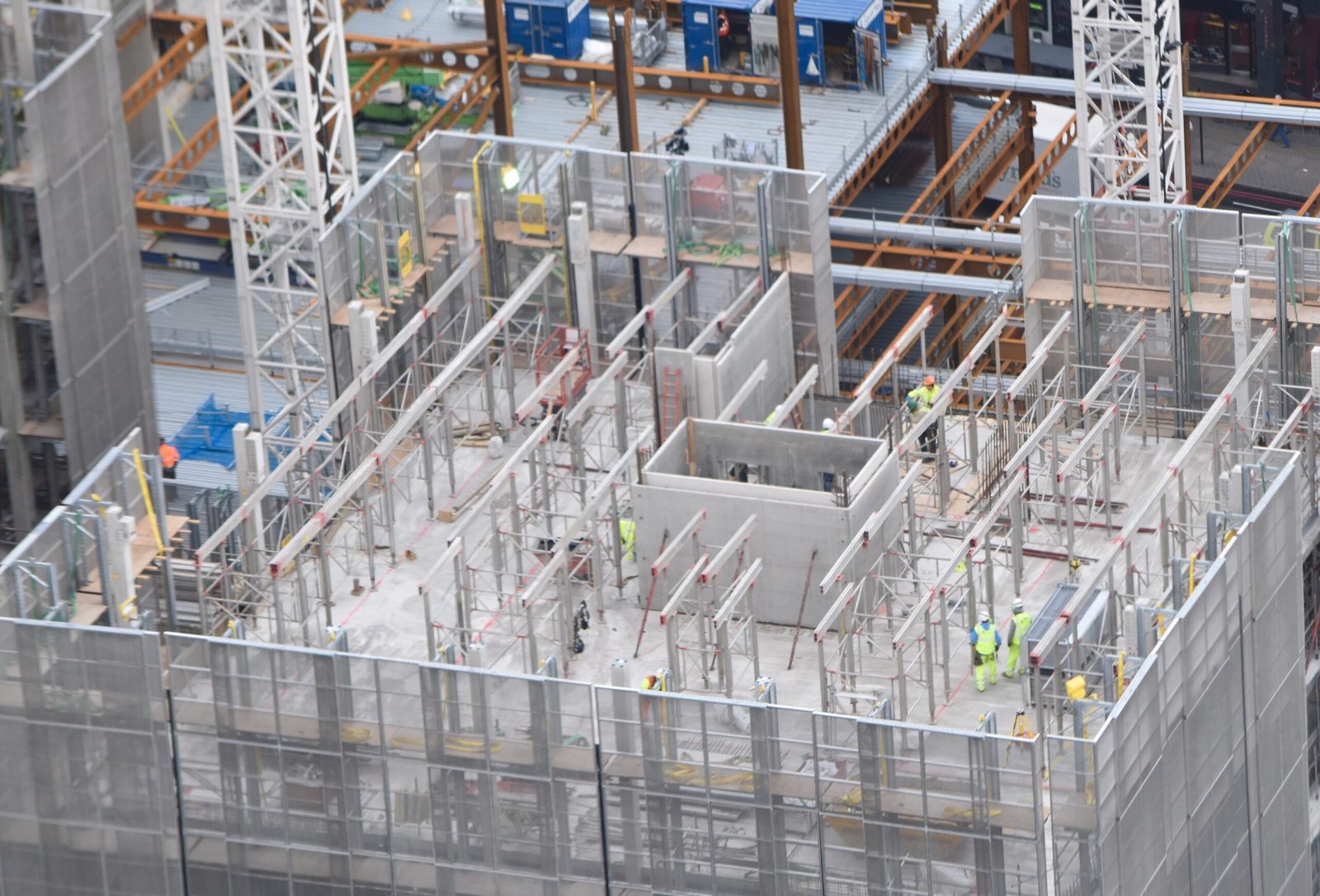
Why Construction Projects Fail Without Proper Temporary Structures is a critical topic that every contractor, developer, project manager, and site engineer must understand. Temporary structures such as scaffolding, formwork, shoring, props, and access systems are often treated as secondary elements in construction planning. However, in reality, they are fundamental to project success. When temporary structures are poorly planned, inadequately designed, or incorrectly executed, construction projects face delays, safety incidents, cost overruns, and even structural failures. Temporary structures support workers, materials, and equipment during construction. They influence safety, productivity, quality, and project timelines. Ignoring their importance or cutting corners can cause severe consequences that affect the entire project lifecycle. This blog explains why construction projects fail without proper temporary structures and highlights the risks, impacts, and best practices associated with them. What Are Temporary Structures in Construction? Temporary structures are non-permanent systems used to support construction activities until the permanent structure becomes self-supporting. They are essential at almost every stage of a project. Common temporary structures include: Scaffolding systems Formwork and shuttering Shoring and propping systems Temporary access platforms and walkways Falsework and staging Temporary supports for slabs, beams, and columns Although temporary, these structures carry heavy loads and play a direct role in construction safety and efficiency. Why Temporary Structures Are Critical to Project Success Temporary structures act as the backbone of construction operations. They provide access, stability, and support during critical construction phases. Their importance includes: Safe working platforms for labour Support for fresh concrete loads Alignment and shape control of structural elements Access for tools, equipment, and materials Protection against collapse during construction Without proper temporary structures, the permanent structure cannot be built safely or accurately. 1. Safety Failures Are the Biggest Risk One of the primary reasons construction projects fail without proper temporary structures is compromised safety. Poorly designed or installed temporary systems significantly increase the risk of accidents. Safety issues include: Collapse of scaffolding or formwork Falls from height due to unstable platforms Structural failure during concreting Injuries caused by improper access systems Fatal accidents resulting in work stoppages Safety incidents not only harm workers but also lead to legal action, penalties, and loss of reputation. 2. Structural Failures During Construction Temporary structures bear heavy loads during construction, especially before the permanent structure gains strength. Inadequate design or poor execution can cause partial or complete structural failure. Common causes include: Underestimating load requirements Incorrect spacing of props or supports Poor quality materials Improper assembly and locking Lack of engineering approval Such failures can damage completed work, delay progress, and increase reconstruction costs. 3. Project Delays and Missed Deadlines Construction schedules depend heavily on temporary structures. When scaffolding, formwork, or shoring systems are not planned properly, work slows down or stops entirely. Delays occur due to: Frequent reconfiguration of temporary systems Unsafe conditions requiring shutdowns Waiting for redesign or reinstallation Inspection failures and compliance issues Even small delays at early stages can affect the entire project timeline. 4. Cost Overruns and Budget Failures Temporary structures may seem like a short-term expense, but poor planning leads to long-term financial losses. Cost overruns happen because of: Rework caused by incorrect alignment Material wastage due to formwork failure Extended labour costs from delays Medical expenses and compensation after accidents Legal penalties and insurance claims Investing in proper temporary structures is far more cost-effective than fixing failures later. 5. Poor Construction Quality and Rework Temporary structures directly influence the quality of permanent construction. Improper formwork or unstable supports lead to dimensional inaccuracies and poor finishes. Quality issues include: Uneven surfaces and honeycombing Misaligned walls and slabs Structural cracks due to premature load removal Increased plastering and repair work Rework consumes time, labour, and materials, reducing overall project efficiency. 6. Lack of Compliance with Regulations and Standards Construction regulations require temporary structures to meet strict safety and engineering standards. Non-compliance can result in immediate project suspension. Regulatory risks include: Failed safety audits Stop-work notices from authorities Fines and legal actions Loss of contractor eligibility for future projects Proper temporary structure planning ensures compliance and uninterrupted progress. 7. Poor Coordination Between Trades Large construction projects involve multiple trades working simultaneously. Temporary structures must support coordinated access and sequencing. Without proper planning: Scaffolding blocks material movement Access routes clash with formwork systems Congestion slows down work Conflicts arise between teams Well-planned temporary structures enable smooth coordination and workflow. 8. Increased Risk During Weather and Environmental Conditions Temporary structures must withstand wind, rain, temperature changes, and site conditions. Weak systems are vulnerable to environmental forces. Risks include: Wind-induced collapse of scaffolding Water accumulation on platforms Slippage due to wet surfaces Corrosion or weakening of components Environmental failure can cause sudden accidents and major delays. 9. Lack of Skilled Installation and Supervision Even high-quality temporary structures can fail if installed incorrectly. Lack of skilled labour and supervision is a major cause of failure. Common issues include: Incorrect assembly sequence Loose connections and couplers Improper anchoring and bracing Absence of regular inspections Skilled teams and supervision are essential for safe performance. 10. Poor Planning and Engineering Design Temporary structures should be treated as engineered systems, not improvised solutions. Lack of design input leads to unsafe and inefficient systems. Planning failures include: No load calculations Ignoring construction sequence No drawings or method statements Inadequate inspection plans Engineering-based planning ensures stability and reliability. Best Practices to Prevent Project Failure To avoid failure due to improper temporary structures, construction teams must follow best practices. Proper Design and Engineering Use qualified engineers for design Perform load and stability calculations Prepare detailed drawings and method statements Quality Materials and Certified Systems Use tested and certified components Avoid damaged or worn materials Ensure compatibility of system parts Skilled Workforce and Supervision Employ trained scaffolding and formwork teams Conduct regular toolbox talks Ensure competent supervision at all stages Regular Inspection and Maintenance Inspect after installation and modifications Monitor during use Address defects immediately Integration with Project Planning Align temporary structures with construction phases Coordinate with all trades Plan dismantling and relocation safely Why
Finomax Scaffolding Company
Aluminium Formwork System
A Step-by-Step Guide to Planning Scaffolding for Large Construction Sites

A Step-by-Step Guide to Planning Scaffolding for Large Construction Sites is essential reading for builders, contractors, site engineers, and project managers handling complex and large-scale construction projects. Scaffolding is more than temporary access equipment. It directly impacts worker safety, construction speed, material handling, and overall site efficiency. Poor planning can result in delays, safety hazards, cost overruns, and regulatory issues. Proper scaffolding planning, on the other hand, ensures smooth workflows, safe working conditions, and timely project delivery. Large construction sites present unique challenges such as height variations, multiple work zones, heavy material movement, and overlapping trades. This guide explains how to plan scaffolding systematically, from initial assessment to dismantling, using industry best practices. Why Proper Scaffolding Planning Is Critical for Large Projects Large construction sites operate under tight schedules and high safety expectations. Scaffolding must support multiple trades working simultaneously at different levels while allowing safe access and material movement. Effective scaffolding planning helps to: Improve worker safety and site compliance Support faster construction progress Reduce downtime caused by reconfiguration Optimise material and labour usage Avoid costly on-site modifications Without a structured plan, scaffolding can become a bottleneck rather than a support system. Step 1: Understand Project Scope and Site Conditions The first step in planning scaffolding for large construction sites is a detailed evaluation of the project scope and site layout. Key aspects to assess include: Building height and geometry Number of floors and work levels Construction sequence and timelines Load requirements for workers and materials Ground conditions and bearing capacity Site access points and traffic movement Understanding these factors helps determine the type, height, and configuration of scaffolding required. Step 2: Identify the Right Type of Scaffolding System Different construction activities require different scaffolding systems. Selecting the right system is critical for safety and efficiency. Common scaffolding types used on large sites include: Frame scaffolding for general access Cuplock or modular scaffolding for high-rise projects Suspended scaffolding for facade work Cantilever scaffolding where ground access is restricted Mobile scaffolding for short-duration tasks The chosen system must align with project requirements, load capacity, and site constraints. Step 3: Define Load and Usage Requirements Scaffolding on large construction sites must support multiple workers, tools, and materials simultaneously. Accurate load assessment is essential. Consider the following: Maximum number of workers per platform Weight of tools and equipment Storage of construction materials on platforms Dynamic loads from movement and handling Safety factors required by standards Underestimating load requirements can lead to structural instability and serious safety risks. Step 4: Plan Scaffolding Layout and Access Routes A well-planned scaffolding layout improves productivity and safety. The layout should integrate seamlessly with the construction workflow. Important layout considerations include: Safe access points such as ladders and stairways Clear entry and exit routes Separation of work zones Adequate platform width for tasks Proper edge protection and guardrails Efficient access planning reduces congestion and supports faster task completion. Step 5: Ensure Compliance with Safety Standards and Regulations Safety compliance is non-negotiable when planning scaffolding for large construction sites. Regulations vary by region but generally follow international safety principles. Key safety elements include: Proper anchoring and tying to the structure Guardrails, toe boards, and safety nets Anti-slip working platforms Adequate fall protection systems Clear load rating signage All scaffolding designs must be approved by qualified engineers or competent persons. Step 6: Coordinate Scaffolding with Construction Phases Large projects progress in stages, and scaffolding must adapt accordingly. Planning scaffolding in isolation can cause conflicts with other site activities. Coordination should include: Alignment with floor cycle schedules Integration with formwork and concreting plans Accommodation for facade installation Space for material lifting and unloading Planned dismantling and reinstallation phases Phase-wise planning ensures scaffolding supports the project instead of delaying it. Step 7: Select Quality Materials and Components The quality of scaffolding materials directly affects safety and durability. Using certified and well-maintained components is essential for large sites. Ensure that: Tubes, frames, and standards meet strength requirements Couplers and connectors are tested and defect-free Platforms are properly fabricated and secured Components are corrosion-resistant All parts are inspected before installation High-quality materials reduce maintenance issues and improve reliability. Step 8: Assign Skilled and Trained Scaffolding Teams Even the best scaffolding plan can fail if executed by untrained workers. Skilled scaffolding teams ensure proper assembly and safe use. Best practices include: Employing trained scaffolding erectors Providing site-specific safety training Conducting toolbox talks before installation Ensuring supervision by competent personnel Skilled teams reduce errors and improve installation speed. Step 9: Conduct Regular Inspections and Maintenance Scaffolding on large construction sites remains in use for extended periods. Regular inspection is necessary to maintain safety and functionality. Inspection should cover: Structural stability and alignment Condition of platforms and guardrails Tightness of couplers and connections Signs of damage or corrosion Compliance with load limits Inspections should be conducted after installation, after modifications, and at regular intervals. Step 10: Plan for Weather and Environmental Conditions Large construction sites are exposed to varying weather conditions that can affect scaffolding stability. Planning should account for: Wind loads on tall scaffolding structures Rain and water accumulation Heat affecting metal components Dust and debris buildup Night work and visibility conditions Environmental planning improves safety and prevents unexpected disruptions. Step 11: Manage Dismantling and Reconfiguration Safely As construction progresses, scaffolding often needs to be dismantled or relocated. Improper dismantling can be as dangerous as incorrect installation. Best practices include: Following reverse installation procedures Ensuring areas below are secured Removing materials in a controlled sequence Inspecting components before reuse Safe dismantling ensures smooth transitions between construction phases. Common Mistakes to Avoid in Scaffolding Planning Avoiding common planning errors can save time and prevent accidents. Typical mistakes include: Ignoring load calculations Poor coordination with other trades Using damaged or uncertified materials Inadequate access planning Skipping regular inspections Proactive planning helps avoid these costly issues. Conclusion A Step-by-Step Guide to Planning Scaffolding for Large Construction Sites highlights the importance of structured, safety-focused planning in modern construction projects. Scaffolding is a critical support system that influences productivity,

Product Enquiry