
News & Article

Day: November 30, 2025

Aluminium Formwork Systems in Delhi
Aluminium Formwork System
Why Builders Prefer Modern Aluminium Formwork for Faster Project Completion

Modern Aluminium Formwork has redefined how construction projects are executed in today’s fast-paced real estate and infrastructure environment. Builders and developers across residential, commercial, and industrial sectors are facing increasing pressure to deliver high-quality buildings faster, with fewer errors, lower labour dependency, and reduced overall project costs. Traditional shuttering systems like timber and steel formwork often slow down progress due to heavy materials, repeated adjustments, and inconsistent finish quality. In contrast, modern aluminium formwork offers a streamlined, high-precision building method that dramatically accelerates construction cycles while ensuring strength, durability, and uniformity. The demand for quicker project completion has increased due to rising urbanization, government-driven affordable housing schemes, and investor expectations for timely delivery. In this environment, builders need technologies that reduce time delays and help maintain strong quality control. Modern Aluminium Formwork provides exactly that. Its modular design, high reusability, lightweight structure, and ability to ensure single-pour monolithic construction make it a superior choice for modern construction needs. Below is a complete, in-depth explanation of why builders prefer modern aluminium formwork for faster, safer, and more economical project completion. What Makes Modern Aluminium Formwork a Game-Changer? Modern Aluminium Formwork is engineered using high-strength aluminium alloy panels that are designed to fit together with precision. These panels create a mould into which concrete is poured to form walls, slabs, beams, columns, and other structural elements. Unlike timber or steel, aluminium formwork requires very little manual adjustment once installed. Its advanced locking mechanism ensures perfect alignment and smooth concrete surfaces every time. Builders prefer this system because it offers: Faster floor-to-floor construction cycles Reduced labour requirements Minimal finishing work High-quality monolithic concrete structures Reusability for hundreds of cycles Safety and stability on site The combination of speed and quality makes it ideal for high-rise projects, mass housing developments, and commercial complexes. 1. Faster Construction Cycles Enable Quick Project Delivery One of the most important reasons builders choose modern aluminium formwork is its ability to drastically shorten construction cycles. Traditional formwork methods often require several days to set up and dismantle, causing delays at every stage. Aluminium formwork is lightweight, modular, and easy to assemble, enabling workers to complete the formwork for a typical floor within a single day. Key advantages include: Lightweight panels allow faster movement and installation. Repeatable floor layouts make it easy to reuse panels with minimal adjustments. Builders can achieve one-day or two-day floor cycles. Faster cycles significantly reduce overall project duration. For high-rise towers, finishing each floor quickly ensures consistent progress and the ability to deliver projects within deadlines. 2. Superior Strength and Durability for Long-Term Use Modern Aluminium Formwork is built for long-term, repeated use, making it highly cost-effective for large-scale projects. Each panel is manufactured using high-quality aluminium alloy, offering exceptional durability and stability. Benefits include: Panels can be reused 200–300 times without losing structural integrity. Aluminium does not warp, rot, or corrode like timber or low-quality steel. High load-bearing capacity ensures safe and stable concrete placement. Precision engineering ensures perfect alignment and uniformity. This durability helps builders reduce replacement costs and maintain efficiency across multiple projects. 3. Excellent Concrete Finish Reduces Extra Work Builders prefer modern aluminium formwork because it delivers a smooth, uniform concrete finish. Since the panels are precisely engineered, they create clean lines and accurate surfaces in every pour. Advantages include: Minimal plastering or finishing needed after de-shuttering. Walls and slabs come out with excellent surface quality. Accuracy reduces rework and saves time. Smooth finishes enhance long-term durability and appearance. Less finishing work means quicker project handovers and lower labour costs. 4. Lower Labour Requirements During Construction Labour shortages are common in many regions, especially in fast-growing cities. Modern Aluminium Formwork reduces dependency on large labour teams because it is easy to install, dismantle, and reuse. Benefits include: Panels are light enough for workers to handle without heavy machinery. Training time is significantly lower. Efficient locking systems require fewer steps. Smaller teams can achieve the same output as larger teams using timber or steel. This helps builders stay productive even when labour availability fluctuates. 5. Structured Safety and Reduced On-Site Risks Safety is a major concern for every builder. Traditional formwork often requires makeshift adjustments and support systems that can be dangerous if not properly secured. Modern Aluminium Formwork eliminates many of these risks. Key safety features include: Stable panel locking systems Strong working platforms and scaffolding integration Accurate alignment reduces chances of collapse Fire-resistant material ensures safer operations Fewer joints reduce chances of leakage and structural weakness Safer sites lead to fewer delays, fewer accidents, and more predictable workflows. 6. Perfect for High-Rise and Mass Housing Projects Modern Aluminium Formwork is especially suitable for large projects with repetitive floor designs. Builders working on high-rise residential towers, mass housing, or commercial complexes benefit greatly from the system’s consistency. Why builders prefer it for such projects: Easy adaptation to repetitive layouts Quick assembly and disassembly High-quality monolithic construction suitable for tall structures Excellent alignment for structural stability Faster cycle time reduces overall project duration For mass housing projects, aluminium systems help meet government deadlines and public demand without compromising quality. 7. Highly Cost-Effective Over the Project Lifecycle Although the initial investment in modern aluminium formwork is higher than timber or conventional shuttering, the long-term benefits make it more economical. Cost-saving advantages include: High reuse cycles (200–300+) reduce material cost over multiple floors or projects. Faster construction reduces financing costs, rent, and overheads. Minimal finishing work lowers labour and material expenses. Reduced errors and rework prevent cost overruns. Lower maintenance costs compared to steel and timber. When evaluated over the entire life of a project, aluminium formwork proves significantly more cost-effective than traditional alternatives. 8. Improved Precision and Structural Quality Modern Aluminium Formwork is manufactured using strict quality control and advanced technology. Each panel is built with exact dimensions to ensure accurate assembly. Benefits include: Perfect structural alignment Uniform wall thickness and slab depths Reduced structural defects Higher load-bearing strength Improved building longevity Builders appreciate the reliability and consistency that aluminium systems provide,
Scaffolding System
Cuplock Scaffolding
The Importance of Quality Scaffolding in Construction Projects

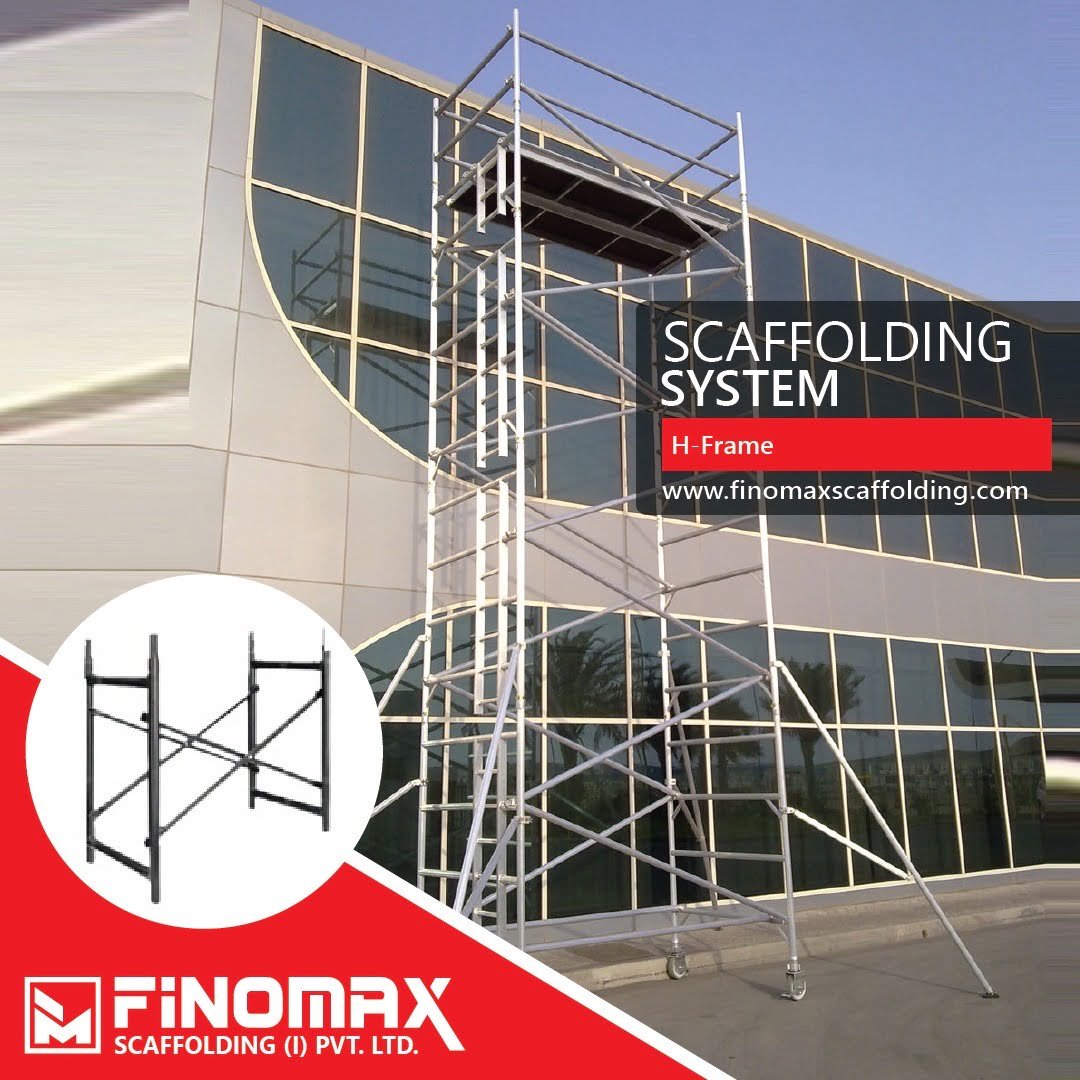
Construction sites are some of the most hazardous workplaces in the world. Heights, heavy materials, power tools, concrete casting, and tight project deadlines combine to form an environment where one mistake can lead to serious accidents, costly delays, or structural defects. A large percentage of construction accidents occur due to scaffold failures—either from poor installation, low-quality materials, or unstable support systems. This raises a critical question every builder must confront: Are your workers protected by reliable scaffolding? Understanding The Importance of Quality Scaffolding in Construction Projects gives builders a powerful advantage. Quality scaffolding directly improves project safety, enhances productivity, accelerates timelines, supports precision work, and reduces long-term financial risk. It provides stability where it matters most—supporting both workers and the building process. Top construction companies and infrastructure developers across India rely on engineering-tested scaffolding systems such as those manufactured by Finomax Scaffolding I Pvt. Ltd. With precision-built components, strong load-bearing capacities, and compliance with safety standards, these systems prove that scaffolding quality can make or break a construction project. Below is a detailed breakdown of why quality scaffolding is essential, how it influences safety, speed, and accuracy, the types used in modern building sites, and why professional scaffolding systems are the backbone of every successful project. The Importance of Quality Scaffolding in Construction Projects for Worker Safety Safety is the prime reason scaffolding exists. Without stable scaffolding, workers face life-threatening risks while performing tasks at height. Why Quality Scaffolding Improves Safety Strong, Stable Platforms: Prevents wobbling, swaying, and collapses. Guardrails & Toe Boards: Reduce the risk of falling from heights. Anti-Slip Surfaces: Protect workers during rain, dust, and concrete work. Load-Bearing Strength: Supports workers, tools, bricks, plaster materials, and equipment simultaneously. Secure Joint Mechanisms: Ensure scaffolding sections lock safely without shifting during use. Real-World Example A high-rise residential project typically requires workers to operate 50–200 feet above ground. A professional system like Finomax Cuplock Scaffolding, engineered with accurate vertical alignment and standardized locking mechanisms, significantly reduces risks, creating a stable work environment even under heavy loads. Poor scaffolding compromises safety. Quality scaffolding saves lives. 2. The Importance of Quality Scaffolding in Construction Projects for Faster Completion Time efficiency is one of the biggest competitive factors in construction. Every day saved directly improves profitability and client satisfaction. How Quality Scaffolding Speeds Up Construction Quick Assembly & Dismantling: Engineered scaffolding systems take less time to set up. Improved Worker Mobility: Stable platforms allow faster movement, lifting, and finishing work. Supports Multi-Level Operations: Different teams can work on various levels simultaneously. Efficient Material Handling: Tools and materials move faster across platforms. Lower Downtime: Strong scaffolding minimizes repair interruptions and adjustments. Data Insight Projects using high-quality scaffolding systems often achieve overall timeline reductions of 15%–30%, especially in high-rise and commercial construction. In construction, speed equals profit—and scaffolding plays a major role. 3. The Importance of Quality Scaffolding in Construction Projects for Structural Accuracy Poor scaffolding leads to uneven work, misaligned masonry, and mistakes in plastering or formwork, affecting the final structure permanently. Structural Advantages of Quality Scaffolding Aligned, Balanced Work Platforms: Ensures verticality and straight lines. Strong Support for Formwork: Reduces deflection during concrete casting. Better Plastering Quality: Supports uniform thickness and smooth finishes. Reduces Human Errors: Workers can concentrate better on workmanship. Supports Heavy Structural Loads: Essential during beam, slab, and column casting. Expert Example Finomax formwork scaffolding ensures even distribution of load during slab and beam concreting, resulting in level surfaces and defect-free casting. A stable scaffold improves building stability. 4. Types of Scaffolding Demonstrating The Importance of Quality Scaffolding in Construction Projects Modern construction requires different scaffolding systems for different applications. Cuplock Scaffolding Widely used in high-rise and infrastructure developments Fast locking mechanism High load-bearing capacity Ideal for heavy-duty tasks H-Frame Scaffolding Used for plastering, painting, maintenance, and façade work Easy assembly Strong vertical supports Cost-effective and durable Aluminium Scaffolding Lightweight and portable Rustproof Ideal for interior work, MEP installations, and industrial maintenance Formwork & Shuttering Scaffolding Supports beams, slabs, and columns Ensures accurate leveling Handles heavy concrete loads These systems highlight why engineered scaffolding matters—each design serves a strategic purpose. 5. Financial Advantages: The Importance of Quality Scaffolding in Construction Projects for Cost Efficiency Low-quality scaffolding might seem cheaper initially, but it leads to expensive consequences. Cost Risks of Poor Scaffolding Collapses leading to injury compensation Damaged materials and wasted concrete Repeated repairs and adjustments Project delays and penalty charges Increased insurance costs Long-Term Savings with Quality Scaffolding Can be reused across multiple projects Requires minimal maintenance Reduces risks of accidents and delays Improves project efficiency Enhances worker productivity Investing in high-quality scaffolding pays off in both the short and long term. 6. Compliance: Why The Importance of Quality Scaffolding in Construction Projects Includes Legal Responsibility Governments and construction authorities enforce strict scaffolding regulations to reduce site accidents. Compliance Advantages Meets occupational safety standards Reduces risk of legal penalties or shutdowns Ensures certified load capacity Protects workers and site visitors Increases trust with clients and inspectors Quality scaffolding ensures your project remains legally compliant and safe. 7. Why Finomax Demonstrates The Importance of Quality Scaffolding in Construction Projects Finomax Scaffolding I Pvt. Ltd. is a leading provider of professional scaffolding systems used across India. Why Finomax Scaffolding Stands Out High-grade steel and aluminium Precision engineering Strong load-bearing structures Corrosion-resistant components Easy installation systems Nationwide delivery and on-site support Trusted across residential, commercial, and industrial projects Finomax scaffolding systems reflect excellence, safety, and durability—core requirements in modern construction. Summary & Key Takeaways The Importance of Quality Scaffolding in Construction Projects revolves around safety, speed, accuracy, and efficiency. High-quality scaffolding protects workers and reduces accidents. It accelerates project timelines and improves workflow. Better scaffolding leads to stronger, more accurate structures. Quality scaffolding reduces costs and ensures legal compliance. Finomax provides engineered scaffolding systems trusted across India. Quality scaffolding is not a choice—it is a necessity in modern construction. Call to Action Upgrade your construction standards with safe, durable, and performance-driven scaffolding systems. Explore professional scaffolding solutions at:https://www.finomaxscaffolding.com/finomax-scaffolding-i-pvt-ltd/ Build safer. Build faster.

Product Enquiry