
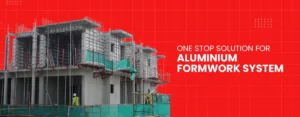

Complete Guide to Aluminium Formwork Systems for Mumbai, Ahmedabad, Hyderabad & Tamil Nadu
Aluminium formwork systems are transforming high rise and mass housing construction across Mumbai, Ahmedabad, Hyderabad and Tamil Nadu. With increasing pressure to deliver projects faster while maintaining structural quality, developers are shifting from conventional shuttering to advanced monolithic construction methods. In rapidly expanding real estate markets, choosing the right aluminium formwork systems directly impacts construction speed, cost efficiency and finishing quality. This guide explains how these systems work, why they are ideal for metro and tier 1 cities, and what builders must evaluate before implementation. Aluminium formwork systems are modular panel based frameworks used to cast reinforced concrete walls, slabs, beams and columns in a single pour. This method supports monolithic construction, where structural components are cast together for improved strength and durability. Main components include: Wall panels Slab panels Beam panels Deck panels Props and accessories Pin and wedge locking systems These systems are engineered for repetitive use and precision alignment. Why Aluminium Formwork Systems Are Ideal for Indian Metro Projects Cities like Mumbai, Ahmedabad and Hyderabad are witnessing: High rise residential towers Commercial complexes Infrastructure expansion Affordable housing projects Tamil Nadu also continues to develop industrial corridors and urban housing. In these regions, aluminium formwork systems offer key advantages: 1. Faster Construction Cycles Typical slab cycle time ranges from 4 to 7 days. This accelerates project completion and improves return on investment. 2. Consistent Finishing Quality The smooth concrete finish reduces plaster requirements and enhances dimensional accuracy. 3. High Reusability Well maintained aluminium formwork systems can be reused 150 to 250 times, reducing long term cost. 4. Reduced Labor Dependency Compared to traditional shuttering, these systems require fewer skilled carpenters and offer streamlined assembly. Regional Considerations for Mumbai, Ahmedabad, Hyderabad & Tamil Nadu Mumbai High rise construction dominance Space constraints Strict municipal regulations Aluminium formwork systems help optimize vertical construction and improve slab cycle efficiency. Ahmedabad Rapid urban expansion Growing residential projects Industrial infrastructure growth Developers prefer systems that provide cost efficiency and faster handover. Hyderabad IT driven commercial expansion Luxury residential towers Large township developments Precision and speed are critical, making aluminium formwork systems highly suitable. Tamil Nadu Industrial and housing development Government backed housing schemes Mixed residential and commercial growth Durable systems with strong engineering support are preferred for long term scalability. Contact us for purchase Technical Features to Evaluate Before Selection Before investing in aluminium formwork systems, review: 1. Aluminium Grade and Thickness Higher grade aluminium ensures strength and durability. 2. Load Bearing Capacity Verify structural calculations and compliance with Indian standards. 3. Locking Mechanism Pin and wedge systems must ensure proper alignment and minimal leakage. 4. Surface Treatment Anti corrosion treatment improves lifespan in humid coastal areas like Mumbai and parts of Tamil Nadu. 5. Engineering Support Detailed shop drawings and 3D modelling reduce site errors. Cost Factors for Aluminium Formwork Systems Cost depends on: Project size and repetition Customization level Engineering complexity Transport and logistics After sales service While initial investment may be higher than conventional shuttering, lifecycle savings are significant due to reusability and faster completion. Builders should calculate cost per square meter over total reuse cycles rather than focusing only on upfront price. Implementation Best Practices To maximize performance of aluminium formwork systems: Ensure proper worker training Follow maintenance protocols after each cycle Conduct alignment checks before pouring Use proper release agents Maintain structured storage Correct handling extends reuse cycles and maintains finish quality. Common Mistakes to Avoid Avoid: Choosing suppliers without engineering expertise Ignoring load calculation documentation Skipping site supervision support Focusing only on lowest quotation Neglecting maintenance planning Selecting the right manufacturer ensures long term project success. FAQs Are aluminium formwork systems suitable for high rise buildings? Yes. They are widely used for high rise residential and commercial towers due to faster slab cycles and monolithic strength. How many times can aluminium formwork systems be reused? With proper maintenance, they can be reused between 150 and 250 cycles. Is aluminium formwork cost effective for metro cities? Yes. In cities like Mumbai and Hyderabad, faster project completion significantly improves return on investment. Do aluminium formwork systems reduce plaster work? Yes. The smooth concrete finish reduces plaster thickness and finishing cost. Conclusion Aluminium formwork systems are a strategic investment for developers in Mumbai, Ahmedabad, Hyderabad and Tamil Nadu. They improve construction speed, structural strength and finishing quality while reducing long term costs. For builders aiming to complete high rise and mass housing projects efficiently, selecting the right aluminium formwork systems partner is essential. Focus on engineering expertise, manufacturing quality and after sales support. If you are planning a new residential or commercial development, contact our technical team today to discuss customized aluminium formwork systems tailored to your project requirements.
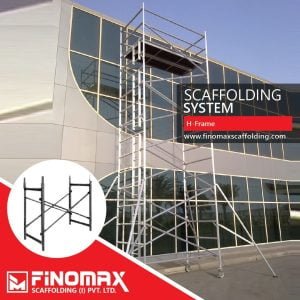
Scaffolding Manufacturer in Kuwait, Saudi Arabia & UAE – Key Factors for Large Projects
Selecting the right scaffolding manufacturer is a critical decision for contractors managing large construction projects in Kuwait, Saudi Arabia and the UAE. Scaffolding directly impacts worker safety, productivity, project timelines and regulatory compliance. With mega infrastructure developments, commercial towers and industrial projects expanding across the GCC region, demand for high quality scaffolding systems continues to rise. However, not every scaffolding manufacturer can meet the technical, logistical and safety requirements of large scale construction. This guide explains what to evaluate before finalizing a scaffolding manufacturer for your next project. Why the Right Scaffolding Manufacturer Matters In large construction environments, scaffolding must deliver: High load bearing capacity Structural stability at height Quick assembly and dismantling Compliance with regional safety regulations An experienced scaffolding manufacturer provides engineered systems rather than basic fabricated structures. This difference becomes critical in high rise buildings, oil and gas facilities and infrastructure projects. Types of Scaffolding Systems Common in GCC Projects A reliable scaffolding manufacturer should offer multiple system options: 1. Ringlock Scaffolding Suitable for complex geometries High strength and flexibility Fast installation 2. Cuplock Scaffolding Ideal for repetitive structures Strong node locking system Cost effective for large volumes 3. H Frame Scaffolding Common for low to mid rise projects Simple assembly Widely used in residential construction Availability of multiple systems indicates strong manufacturing capability. Key Factors to Consider Before Choosing a Scaffolding Manufacturer 1. Manufacturing Infrastructure Evaluate whether the scaffolding manufacturer has: Automated welding and cutting machines In house quality inspection Galvanizing facilities High production capacity Large GCC projects often require bulk supply within tight deadlines. Production capability directly affects delivery reliability. 2. Compliance with Regional Safety Standards Construction regulations in Kuwait, Saudi Arabia and the UAE are strict. The scaffolding manufacturer must ensure: Compliance with international safety standards Load testing certification Anti corrosion treatment suitable for harsh climates Proper documentation for approvals In regions with high temperatures and coastal exposure, corrosion resistance is especially important. 3. Material Quality and Surface Treatment High quality scaffolding uses: High grade steel Precision welding Hot dip galvanization This improves durability and lifecycle performance, especially in desert and coastal environments. 4. Engineering Support and Technical Documentation A professional scaffolding manufacturer provides: Structural calculations Load distribution data Assembly manuals Technical drawings For mega projects in Saudi Arabia and the UAE, engineering documentation is often mandatory before site approval. 5. Logistics and Export Capability If the scaffolding manufacturer operates outside Kuwait or Saudi Arabia, verify: Export experience Timely shipping coordination Customs documentation handling On site delivery scheduling Reliable logistics prevent costly project delays. Scaffolding Manufacturer for High Rise and Infrastructure Projects Large scale projects require scaffolding systems that can handle: Greater heights Heavy load conditions Continuous multi level working platforms Worker safety compliance An experienced scaffolding manufacturer understands risk assessment, anchoring systems and platform design. Common Mistakes to Avoid When selecting a scaffolding manufacturer, avoid: Choosing based only on lowest price Ignoring load certification reports Overlooking corrosion protection quality Selecting suppliers without regional experience Skipping site inspection of previous projects Low cost systems can lead to safety hazards and regulatory penalties. How to Evaluate Long Term Value Instead of focusing only on purchase cost, assess: Reusability of components Maintenance requirements Rental options Replacement part availability After sales technical support A trusted scaffolding manufacturer becomes a long term partner for multiple projects. Contact Us for Supplier & exporter FAQs What makes a good scaffolding manufacturer? A good scaffolding manufacturer offers high quality materials, certified load testing, engineering support and reliable delivery. Is galvanization important in GCC countries? Yes. Due to heat, humidity and coastal exposure, galvanization significantly improves durability. How do I verify scaffolding quality? Request load test certificates, inspect welding quality and review previous project references. Can scaffolding be customized for mega projects? Yes. Experienced manufacturers provide customized configurations based on project design and height requirements. Conclusion Choosing the right scaffolding manufacturer in Kuwait, Saudi Arabia and the UAE requires careful technical evaluation, compliance verification and long term cost analysis. Safety, durability and engineering support should always take priority over pricing. For large construction projects, partner with a scaffolding manufacturer that offers certified systems, strong production capacity and reliable regional support. If you are planning a high rise, infrastructure or industrial project, contact our technical team today to discuss your scaffolding requirements and get a customized solution tailored to your project scale.
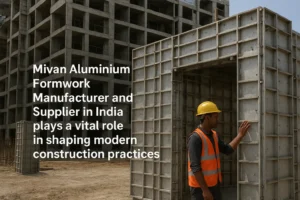
Mivan Shuttering vs Aluminium Formwork: What Builders Must Know Before High Rise Projects
Mivan Shuttering vs Aluminium Formwork: What Builders Must Know Before Starting High Rise Projects Choosing between Mivan Shuttering vs Aluminium Formwork is one of the most important structural decisions before launching a high rise project. The right system affects construction speed, finishing quality, labor cost and long term profitability. With rapid urban development across India, UAE and Saudi Arabia, developers are shifting toward monolithic construction technologies. However, many builders still struggle to understand whether Mivan shuttering and aluminium formwork are different systems or simply different names for the same concept. This guide explains the technical differences, cost factors, performance comparison and how to select the right solution for your high rise project. Understanding Mivan Shuttering Mivan shuttering is a branded aluminium formwork technology developed by an international engineering company. It is widely used in mass housing and high rise residential towers. Key characteristics: Monolithic concrete construction Simultaneous casting of walls and slabs Factory fabricated precision panels Faster construction cycle Mivan shuttering became popular in large housing schemes due to its ability to complete one floor in a short cycle time. Understanding Aluminium Formwork Aluminium formwork is a broader category of engineered modular systems made from high grade aluminium alloys. It includes Mivan type systems as well as other customized manufacturing solutions. Core features: Lightweight modular panels High dimensional accuracy Reusability up to 200 plus cycles Smooth concrete finish Reduced plaster requirement In simple terms, Mivan shuttering is a specific branded system, while aluminium formwork refers to the overall technology. Mivan Shuttering vs Aluminium Formwork: Key Differences 1. Brand vs Generic System In the debate of Mivan Shuttering vs Aluminium Formwork, the first difference is branding. Mivan shuttering is a proprietary system Aluminium formwork can be manufactured by various certified companies Builders can choose between branded imports or locally engineered aluminium formwork manufacturers. 2. Cost Structure Cost depends on: Import duties Customization level Volume requirement Engineering complexity Branded Mivan shuttering systems may carry higher initial costs. Locally manufactured aluminium formwork can offer competitive pricing while maintaining quality if the manufacturer follows strict standards. Lifecycle cost is more important than initial investment. 3. Reusability and Durability Both systems offer high reuse cycles when properly maintained. Typical reuse range: 150 to 250 repetitions Proper cleaning and oiling required Minimal welding damage Durability largely depends on aluminium grade and fabrication precision rather than branding. 4. Speed of Construction Both technologies support: 4 to 7 day slab cycle Simultaneous wall and slab casting Reduced labor dependency In practical terms, there is no major speed difference if the aluminium formwork company provides accurate engineering drawings and site support. 5. Customization Flexibility Locally engineered aluminium formwork systems often provide: Faster design revisions Project specific modifications Direct technical coordination Imported Mivan shuttering systems may involve longer approval and revision timelines. When Should Builders Choose Mivan Shuttering? Choose Mivan shuttering if: You are executing a large scale housing project Brand recognition is important for investor confidence Budget allows for premium import systems Project layout is repetitive It works well in standardized tower layouts. When Should Builders Choose Aluminium Formwork? Choose aluminium formwork from a reliable manufacturer if: You need cost optimization Project design requires customization You want faster engineering coordination You prefer local technical support For high rise projects in India, UAE and Saudi Arabia, many developers prefer partnering with experienced aluminium formwork manufacturers for flexibility and long term service. Performance Comparison for High Rise Projects Structural Strength Both systems support monolithic construction, which increases: Structural stability Seismic resistance Uniform load distribution Surface Finish Quality Both deliver: Smooth concrete finish Reduced plaster cost Better dimensional accuracy Quality mainly depends on: Panel alignment Concrete mix Site supervision Labor Efficiency Advantages include: Reduced carpentry work Simplified assembly Standardized workflow Skilled supervision is still necessary to prevent misalignment.
Aluminium Formwork Company Guide: How to Choose the Right Manufacturer in India, UAE & Saudi Arabia
Choosing the right aluminium formwork company is one of the most critical decisions for developers, contractors and infrastructure firms. The right partner ensures faster slab cycles, precision construction and long term cost efficiency. The wrong choice can delay projects, increase maintenance costs and compromise safety. In fast growing construction markets such as India, UAE and Saudi Arabia, demand for aluminium formwork systems is rising due to high rise residential projects, commercial towers and large scale infrastructure development. This guide explains how to evaluate an aluminium formwork company, what technical factors to review and how to select a manufacturer that supports your project goals. Why Selecting the Right Aluminium Formwork Company Matters Aluminium formwork systems are engineered solutions used for rapid monolithic construction. Unlike conventional shuttering, they are reusable, lightweight and highly precise. A reliable aluminium formwork company provides: Accurate design support Structural load compliance Faster cycle time optimization On site technical assistance Long lifecycle performance When working in regions like India, UAE and Saudi Arabia, compliance standards, climatic conditions and project scale vary significantly. Your formwork partner must understand regional construction requirements. What Is an Aluminium Formwork System? Because it supports monolithic construction, the wall and slab are cast together, increasing structural strength and reducing construction time. An aluminium formwork system is a modular panel based framework used to cast reinforced concrete structures. It is widely used for: Residential towers Mass housing projects Commercial buildings Infrastructure developments The system typically includes: Wall panels Slab panels Beam components Deck panels Props and accessories Key Factors to Evaluate Before Choosing an Aluminium Formwork Company 1. Manufacturing Capability and Infrastructure A professional aluminium formwork company should have: In house design team CNC cutting and precision fabrication Quality control testing High production capacity For large scale projects in cities like Ahmedabad, Dubai or Riyadh, production capacity directly impacts delivery timelines. 2. Design and Engineering Expertise Engineering support is critical. Review whether the company offers: Detailed shop drawings Structural load calculations 3D modelling Customization as per project layout Experienced engineering teams ensure accuracy in wall thickness, alignment and slab finishing. 3. Compliance with Regional Standards Construction regulations differ across regions: India follows IS codes UAE projects often follow British or international standards Saudi Arabia projects may follow SASO or project specific regulations An experienced aluminium formwork company understands documentation, safety and certification requirements across these regions. 4. Reusability and Lifecycle Value High quality aluminium formwork systems can be reused 150 to 250 times depending on maintenance. Ask the manufacturer: What is the average reuse cycle? What grade aluminium is used? What is the panel thickness? Lifecycle cost is more important than initial price. 5. On Site Support and Training Installation quality affects performance. A strong aluminium formwork company provides: Site supervision Assembly training Troubleshooting support After sales service This is especially important in fast track projects across India, UAE and Saudi Arabia where tight deadlines are common. How to Compare Aluminium Formwork Companies in India, UAE & Saudi Arabia Business Evaluation Checklist Years of experience Completed projects portfolio Client testimonials Export capability Delivery timelines Technical Checklist Load bearing capacity tested Proper pin and wedge locking system Anti corrosion surface treatment Accurate panel alignment Minimal leakage during concrete pouring Commercial Evaluation Transparent pricing Rental options availability Payment terms flexibility Logistics support Red Flags to Avoid Avoid selecting an aluminium formwork company based only on low pricing. Watch out for: No engineering documentation Poor welding quality Inconsistent panel dimensions Delayed delivery history No after sales support Low cost systems often result in alignment issues and surface defects. Regional Considerations India India has growing demand in metro cities and tier 2 cities. The focus is on: Mass housing Affordable housing schemes Rapid construction timelines A manufacturer with strong domestic logistics and service teams is beneficial. UAE The UAE market demands: High precision finishing Strict safety compliance International quality benchmarks Export ready aluminium formwork companies with strong documentation are preferred. Saudi Arabia Saudi Arabia is investing heavily in infrastructure and mega projects. Companies operating here must handle: Large volume requirements Harsh climate conditions Strict project specifications A scalable aluminium formwork company with export experience is essential. FAQs What makes a good aluminium formwork company? A good aluminium formwork company offers strong engineering support, high quality materials, on site assistance and proven project experience. How many times can aluminium formwork be reused? High quality systems can typically be reused between 150 and 250 cycles depending on maintenance and handling. Is aluminium formwork suitable for high rise buildings? Yes. It is widely used for high rise residential and commercial towers because it supports monolithic construction and faster slab cycles. How do I verify manufacturer credibility? Check certifications, completed projects, client references and engineering documentation before finalizing. Conclusion Selecting the right aluminium formwork company in India, UAE or Saudi Arabia requires technical evaluation, business due diligence and long term cost analysis. Focus on manufacturing strength, engineering expertise, compliance standards and lifecycle value rather than just pricing. A reliable aluminium formwork company becomes a long term construction partner that improves speed, safety and structural quality. If you are planning a residential, commercial or infrastructure project and need expert guidance, contact our technical team today to discuss your project requirements and get a customized aluminium formwork solution.

How to Choose the Best Aluminium Formwork and Scaffolding Manufacturer in India
Choosing the right aluminium formwork and scaffolding manufacturer is a critical B2B decision for contractors, developers, and EPC companies in India. The quality of temporary structures directly impacts construction speed, site safety, project cost, and long term profitability. With many suppliers in the market, selecting the right manufacturing partner requires a structured evaluation, not just price comparison. This guide explains how to choose the best aluminium formwork and scaffolding manufacturer in India, focusing on performance, reliability, and business value. Why Manufacturer Selection Matters in Construction Projects Aluminium formwork and scaffolding systems are not consumables. They are engineered systems designed for repeated use under heavy loads. A poor quality supplier can lead to: Delayed construction cycles Safety risks and site accidents High maintenance and replacement costs Inconsistent project timelines A reliable manufacturer ensures consistent quality, technical support, and predictable execution across multiple projects. Key Factors to Evaluate an Aluminium Formwork Manufacturer Manufacturing Capability and Infrastructure Always prefer manufacturers with in house design, fabrication, and quality control facilities. This ensures better control over tolerances, panel strength, and system compatibility. Look for: CNC fabrication and precision cutting Standardized panel manufacturing Dedicated formwork design and engineering team Manufacturers with strong infrastructure deliver better accuracy and longer reuse life. Technology and System Design Modern aluminium formwork systems should support monolithic construction and fast cycle execution. Key technology indicators: Lightweight yet high strength aluminium panels Quick lock or pin and wedge connection systems Accurate wall, slab, beam, and staircase integration Smooth concrete finish with minimal plastering Reusability and Lifecycle Value Initial cost should never be the only decision factor. High quality aluminium formwork offers 150 to 250 reuse cycles when maintained properly. Evaluate: Panel thickness and alloy grade Edge reinforcement and joint durability Past project reuse performance Higher reuse reduces cost per use and improves return on investment for large scale projects. How to Choose the Right Scaffolding Manufacturer Compliance With Safety Standards Scaffolding systems must meet Indian and international safety standards to ensure load stability and worker protection. Check for: Standardized load ratings Proper welding and surface treatment Compatibility with safety accessories Safety compliant scaffolding reduces site risk and project interruptions. System Range and Application Support A strong manufacturer offers multiple scaffolding systems such as Cuplock, Ringlock, and frame scaffolding to suit different project needs. Value added manufacturers provide: System selection guidance Load calculation support Site specific recommendations This technical support improves scaffolding efficiency and safety. Manufacturer Direct vs Trader Supply Working directly with a manufacturer offers clear B2B advantages: Better quality control Stable pricing for bulk orders Customization for project specific needs Faster technical and service support Traders may offer lower upfront prices, but often lack technical depth and long term reliability. Commercial and Supply Chain Considerations Before finalizing a manufacturer, evaluate their commercial strength: Ability to supply large volumes on time Phased delivery support for multi site projects After sales service and on site assistance Long term partnership approach Reliable supply continuity is crucial for fast track construction. Questions to Ask Before Final Selection Do you manufacture aluminium formwork and scaffolding in house? What standards and certifications do your systems follow? How many reuse cycles can your formwork realistically achieve? Can you provide design drawings and technical datasheets? Do you support bulk and phased deliveries across India? Clear answers help identify manufacturers suited for serious B2B projects. Conclusion Choosing the best aluminium formwork and scaffolding manufacturer in India requires evaluating technology, manufacturing strength, safety compliance, and long term value. Price alone should never drive the decision. A reliable manufacturer becomes a strategic partner, helping contractors and developers achieve faster project delivery, safer sites, and stronger returns across multiple construction cycles. FAQs Why is it better to choose a manufacturer instead of a trader for formwork and scaffolding? Manufacturers offer better quality control, consistent specifications, customization, and reliable technical support. This results in longer reuse life, improved safety, and better long term value for large construction projects. How many reuse cycles should aluminium formwork systems provide? A good quality aluminium formwork system should deliver around 150 to 250 reuse cycles when properly maintained. Higher reuse reduces cost per use and improves overall return on investment. What factors matter most when selecting a scaffolding manufacturer in India? Key factors include compliance with safety standards, load bearing capacity, system range, manufacturing quality, supply reliability, and the ability to provide technical and after sales support across project sites.
