
Selecting the right scaffolding system is essential for safety, efficiency and productivity on construction sites. One of the most common comparisons builders make is Cuplock vs H Frame scaffolding, especially when planning high rise residential, commercial or infrastructure projects.
Both systems are widely used in the construction industry, but they serve different structural requirements and project scales. Choosing the right scaffolding system affects worker safety, installation speed, load capacity and overall project efficiency.
This guide explains the differences between Cuplock and H Frame scaffolding and helps builders determine which system works best for high rise construction.
Understanding Cuplock Scaffolding
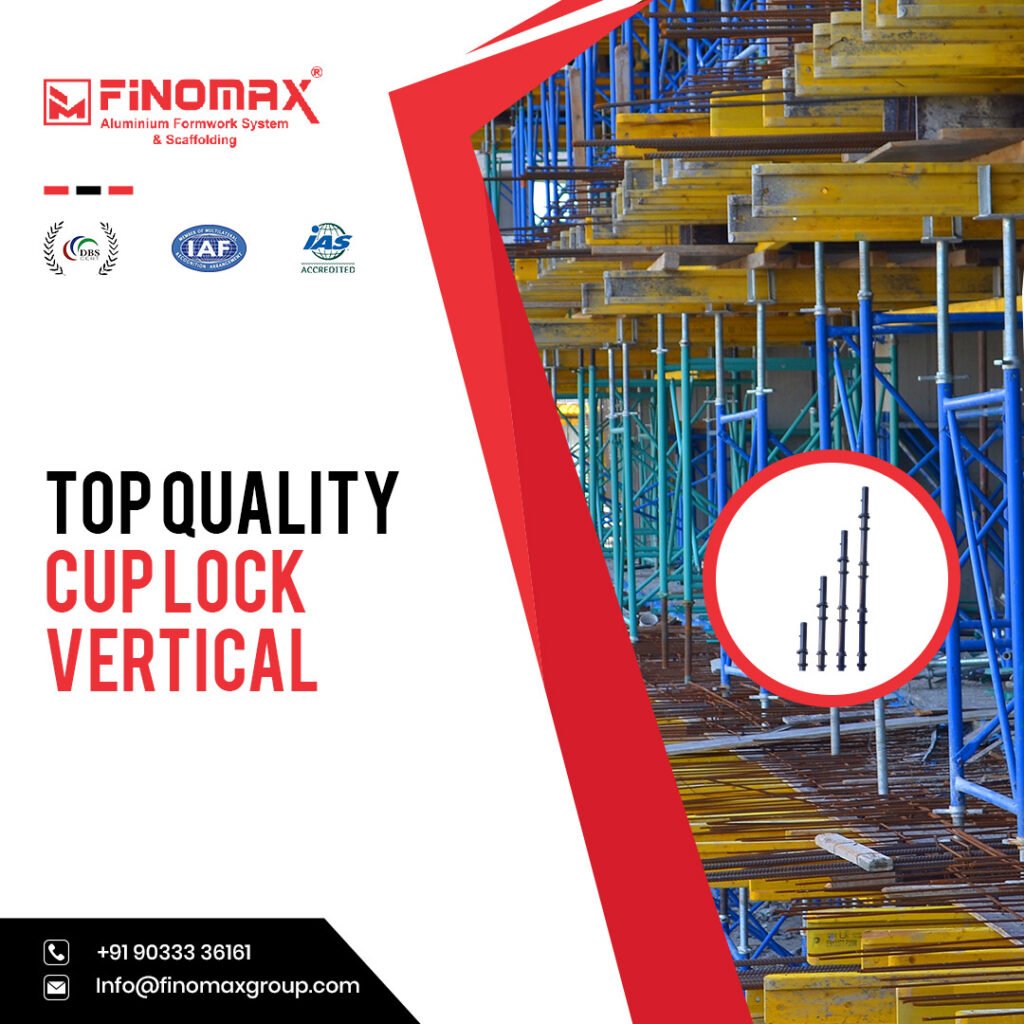
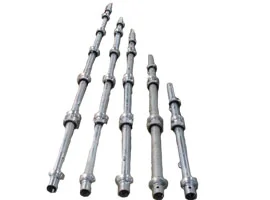
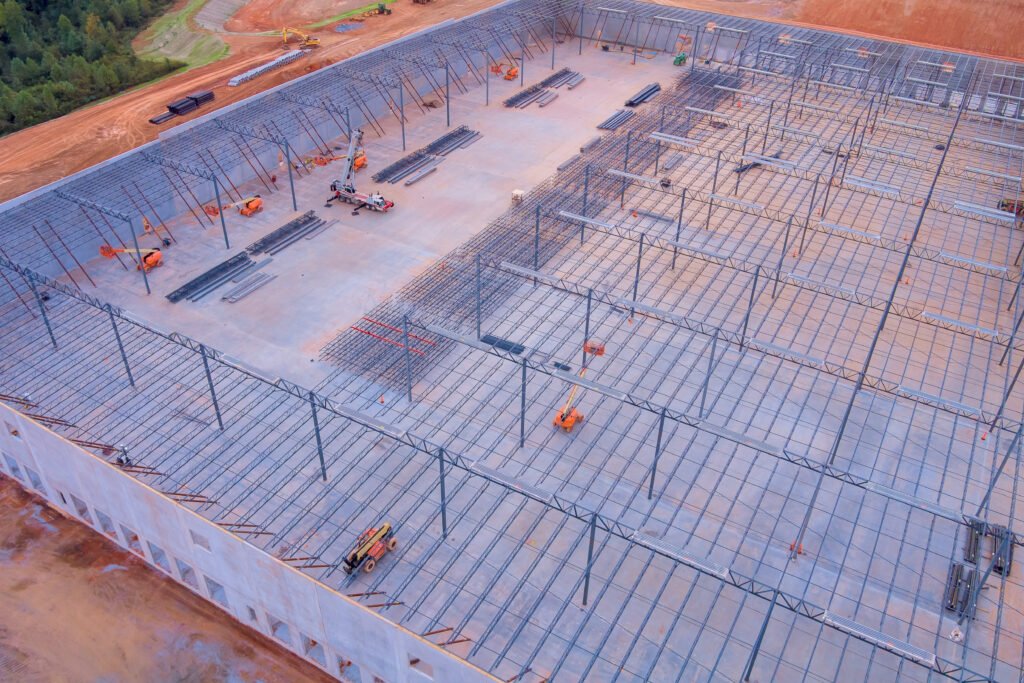
Cuplock scaffolding is a modular scaffolding system known for its strong locking mechanism and high load bearing capacity. It uses a cup and blade node system that allows horizontal and vertical components to connect quickly.
Key characteristics include:
Unique cup locking mechanism
High structural strength
Quick assembly and dismantling
Flexible configuration for complex structures
Because of its strength and stability, Cuplock scaffolding is commonly used in large scale construction and infrastructure projects.
Understanding H Frame Scaffolding
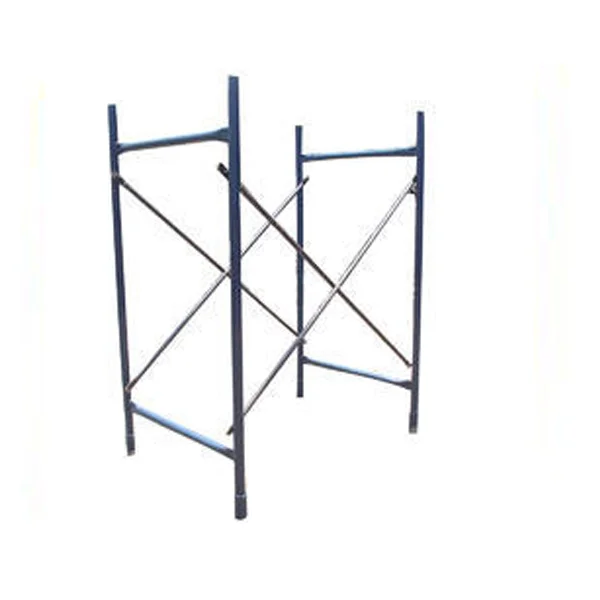
H Frame scaffolding is one of the most traditional scaffolding systems used in construction. It consists of vertical frames connected by cross braces and supported by base plates.
Main features include:
Simple frame based structure
Easy assembly
Suitable for low to medium height projects
Cost effective for smaller construction sites
H Frame scaffolding is commonly used for residential buildings, plastering work and renovation projects.
Cuplock vs H Frame Scaffolding: Key Differences
Structural Design
In the comparison of Cuplock vs H Frame scaffolding, structural design is a major difference.
Cuplock scaffolding uses modular vertical standards and horizontal ledgers connected through a cup locking system. This creates a rigid and flexible structure.
H Frame scaffolding relies on pre fabricated frames connected by cross braces, which limits flexibility.
Load Bearing Capacity
Cuplock scaffolding offers higher load capacity compared to H Frame systems. This makes it suitable for:
High rise buildings
Heavy construction loads
Industrial projects
H Frame scaffolding works better for lighter construction activities such as exterior finishing or maintenance.
Installation Speed
Both systems allow quick installation, but Cuplock scaffolding is faster for large structures because fewer components are needed for connections.
H Frame scaffolding may require additional bracing and support in tall structures.
Flexibility and Adaptability
Cuplock scaffolding is highly adaptable and can be used for:
Circular structures
Complex building shapes
Bridge construction
Industrial plants
H Frame scaffolding is best suited for straight structures and simple building layouts.
Cost Comparison
H Frame scaffolding generally has a lower initial cost, making it attractive for small projects.
However, Cuplock scaffolding provides better long term value in large projects because of:
Higher strength
Faster assembly
Greater flexibility
Project scale usually determines the cost effectiveness of each system.
When to Choose Cuplock Scaffolding
Cuplock scaffolding is ideal for:
High rise construction projects
Infrastructure development
Bridge and industrial construction
Large commercial buildings
Its strong locking system and load capacity make it a preferred choice for complex construction sites.
When to Choose H Frame Scaffolding
H Frame scaffolding is suitable for:
Low rise residential buildings
Maintenance work
Painting and plastering projects
Small scale construction sites
It provides a simple and cost effective solution for basic construction tasks.
Safety Considerations
Regardless of the system chosen, safety should always be the top priority.
Important safety measures include:
Proper load calculations
Secure base support
Regular inspection of components
Worker safety training
Compliance with construction safety regulations
Using certified scaffolding systems significantly reduces risks on construction sites.
Conclusion
The choice between Cuplock vs H Frame scaffolding depends on project scale, structural requirements and construction complexity. Cuplock scaffolding is ideal for high rise buildings and infrastructure projects, while H Frame scaffolding works well for smaller and less complex construction tasks.
For builders planning large construction developments, selecting the right scaffolding system ensures worker safety, faster project execution and efficient site management.
If you are planning a high rise or infrastructure project and need expert guidance on scaffolding systems, contact our technical team to find the best solution for your construction requirements.
FAQs
Cuplock scaffolding generally provides higher load capacity and structural stability compared to H Frame scaffolding.
Yes. Cuplock scaffolding is widely used for high rise and infrastructure projects due to its strength and modular design.
H Frame scaffolding is best for low rise construction, maintenance work and small building projects.
For smaller projects, H Frame scaffolding is more economical. For large construction sites, Cuplock scaffolding often provides better long term value.
