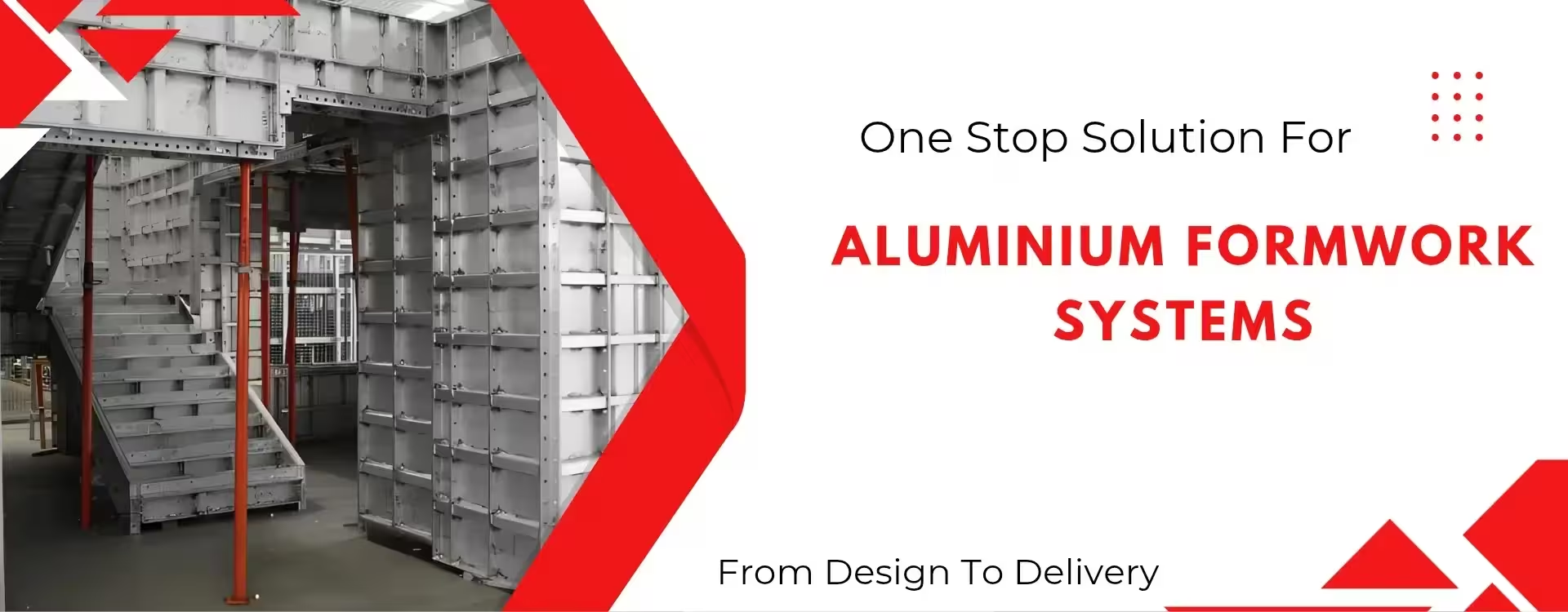
Mivan Shuttering vs Aluminium Formwork: What Builders Must Know Before Starting High Rise Projects
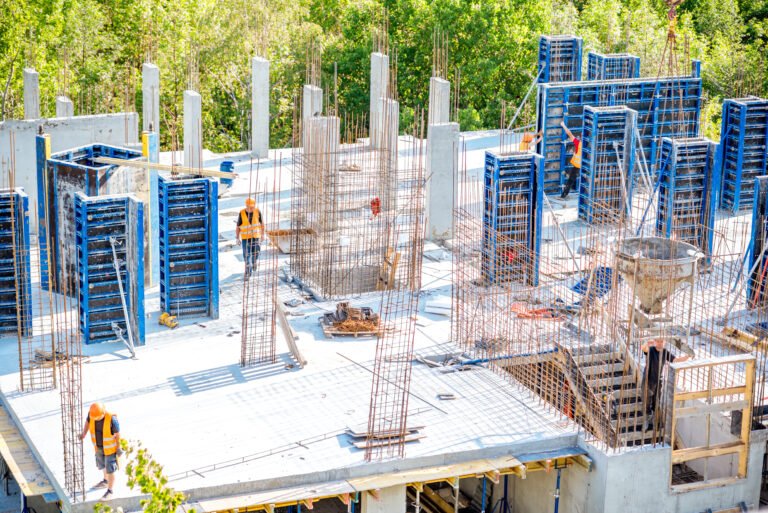
Choosing between Mivan Shuttering vs Aluminium Formwork is one of the most important structural decisions before launching a high rise project. The right system affects construction speed, finishing quality, labor cost and long term profitability.
With rapid urban development across India, UAE and Saudi Arabia, developers are shifting toward monolithic construction technologies. However, many builders still struggle to understand whether Mivan shuttering and aluminium formwork are different systems or simply different names for the same concept.
This guide explains the technical differences, cost factors, performance comparison and how to select the right solution for your high rise project.
Understanding Mivan Shuttering

Mivan shuttering is a branded aluminium formwork technology developed by an international engineering company. It is widely used in mass housing and high rise residential towers.
Key characteristics:
Monolithic concrete construction
Simultaneous casting of walls and slabs
Factory fabricated precision panels
Faster construction cycle
Mivan shuttering became popular in large housing schemes due to its ability to complete one floor in a short cycle time.
Understanding Aluminium Formwork
Aluminium formwork is a broader category of engineered modular systems made from high grade aluminium alloys. It includes Mivan type systems as well as other customized manufacturing solutions.
Core features:
Lightweight modular panels
High dimensional accuracy
Reusability up to 200 plus cycles
Smooth concrete finish
Reduced plaster requirement
In simple terms, Mivan shuttering is a specific branded system, while aluminium formwork refers to the overall technology.

Mivan Shuttering vs Aluminium Formwork: Key Differences
1. Brand vs Generic System
In the debate of Mivan Shuttering vs Aluminium Formwork, the first difference is branding.
Mivan shuttering is a proprietary system
Aluminium formwork can be manufactured by various certified companies
Builders can choose between branded imports or locally engineered aluminium formwork manufacturers.
2. Cost Structure
Cost depends on:
Import duties
Customization level
Volume requirement
Engineering complexity
Branded Mivan shuttering systems may carry higher initial costs. Locally manufactured aluminium formwork can offer competitive pricing while maintaining quality if the manufacturer follows strict standards.
Lifecycle cost is more important than initial investment.
3. Reusability and Durability
Both systems offer high reuse cycles when properly maintained.
Typical reuse range:
150 to 250 repetitions
Proper cleaning and oiling required
Minimal welding damage
Durability largely depends on aluminium grade and fabrication precision rather than branding.
4. Speed of Construction
Both technologies support:
4 to 7 day slab cycle
Simultaneous wall and slab casting
Reduced labor dependency
In practical terms, there is no major speed difference if the aluminium formwork company provides accurate engineering drawings and site support.
5. Customization Flexibility
Locally engineered aluminium formwork systems often provide:
Faster design revisions
Project specific modifications
Direct technical coordination
Imported Mivan shuttering systems may involve longer approval and revision timelines.
When Should Builders Choose Mivan Shuttering?
Choose Mivan shuttering if:
You are executing a large scale housing project
Brand recognition is important for investor confidence
Budget allows for premium import systems
Project layout is repetitive
It works well in standardized tower layouts.
When Should Builders Choose Aluminium Formwork?
Choose aluminium formwork from a reliable manufacturer if:
You need cost optimization
Project design requires customization
You want faster engineering coordination
You prefer local technical support
For high rise projects in India, UAE and Saudi Arabia, many developers prefer partnering with experienced aluminium formwork manufacturers for flexibility and long term service.
Performance Comparison for High Rise Projects
Structural Strength
Both systems support monolithic construction, which increases:
Structural stability
Seismic resistance
Uniform load distribution
Surface Finish Quality
Both deliver:
Smooth concrete finish
Reduced plaster cost
Better dimensional accuracy
Quality mainly depends on:
Panel alignment
Concrete mix
Site supervision
Labor Efficiency
Advantages include:
Reduced carpentry work
Simplified assembly
Standardized workflow
Skilled supervision is still necessary to prevent misalignment.